
Gingerbread: A taste of luxury and legacy at Ryedale Folk Museum
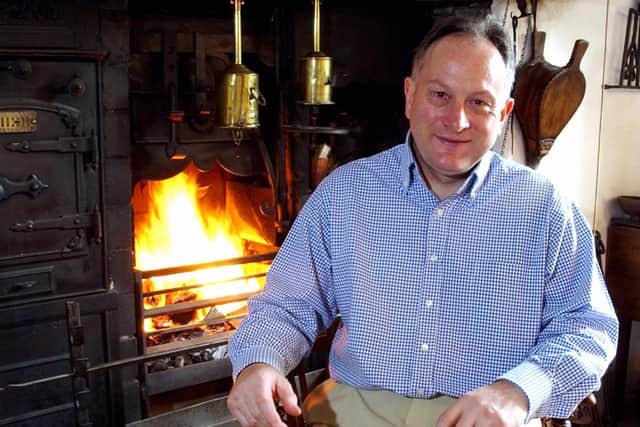
With its rich aroma and range of designs, gingerbread has long captured imagination. Now, it’s one of the stories currently being explored in Ryedale Folk Museum’s latest exhibition, ‘Making a Meal of It’. It is also set to feature in a talk at the museum this August by acclaimed food historian Ivan Day.
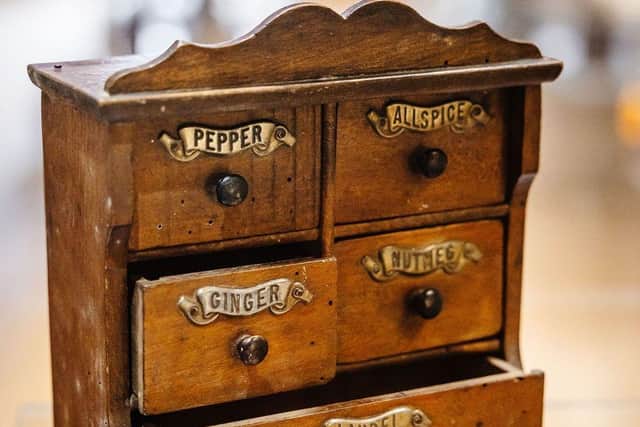
Beyond its sweet taste lies a layered history. The Tudor allure of gingerbread was based both on its taste and, crucially, its exclusive reputation. The inclusion of spices like ginger, cinnamon, pepper and saffron, placed it far beyond the reach of the everyday consumer. It followed that the delicacy was reserved for special occasions, particularly weddings and, later, Christmas. In a lovely touch, it was also served to women after childbirth.
The original gingerbread was quite different from the biscuit we know today. Early recipes combined the spices with breadcrumbs and honey to form a rich paste. The baking process required the mixture to be applied by hand with even pressure, resulting in large, chewy gingerbread ‘pictures’. Later versions, such as a traditional recipe from Kirkbymoorside, used allspice, caraway and ground cinnamon seeds. These flavours would have seemed truly exotic at the time.
Within Ryedale Folk Museum’s collection, a selection of intricate wooden gingerbread moulds offer a window into our culinary past. They were used by Kirkbymoorside baker Sonley’s, and date from the reign of King George IV (1820–1830). Adorned with coats of arms and decorative carvings, they would have produced a foodstuff that was also a symbol of prestige.

Today, Whitby is still known for its gingerbread, and Ryedale’s proximity to the port helps to explain the product’s popularity in these parts. Spices entered the market via global maritime trade routes and quickly gain an important place in the British palate. Originally introduced to Europe by Crusaders returning from the Holy Lands, they transformed even the blandest of foods and also had medicinal uses.
But the spices were also part of a darker history. Nutmeg and cloves, for instance, were found exclusively on the Banda and Maluku islands, known as the Spice Islands. These islands were the focus of fierce European conflict from the 16th century onwards and also used enforced labour in the production of spices.
It was this tragic backdrop that made treats like gingerbread more accessible to the British public. It is likely that, back in Britain, the bakers and their customers had very little knowledge of conditions in Indonesia.
Gingerbread is just one fascinating topic to feature in the exhibition, ‘Making a Meal of It’. From cottage bakers to farmers and foragers, the exhibition invites visitors to explore the stories of innovation, resilience and often hardship that went into food production of the past.
This important Yorkshire bake will also be a star of the show on Sunday 17 August at 2pm. Much-loved food historian Ivan Day will guide his audience through an amazing array of everyday and celebratory foods from historic Yorkshire, from the once-ubiquitous havercake to – of course – ornamental gingerbreads. There’ll also be the chance to sample some baking too!
Tickets are available on the website: www.ryedalefolkmuseum.co.uk/whats-on/