
118,330 butterflies spotted in Yorkshire thanks to hot, dry summer
The results of Butterfly Conservation’s 2026 Big Butterfly Count are in!
8,309 people took part across Yorkshire, spotting 118,330 butterflies and day-flying moths during the three weeks of the citizen science campaign.
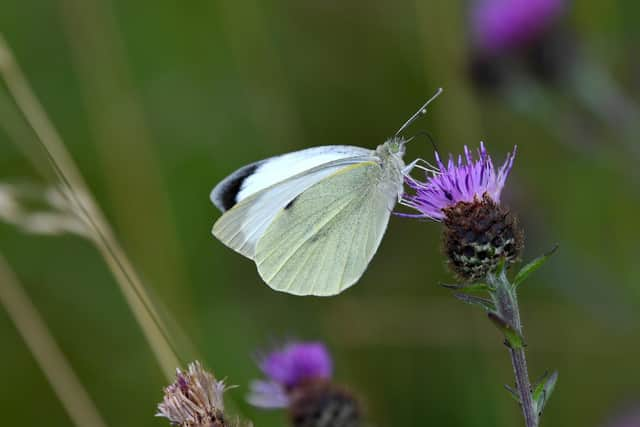

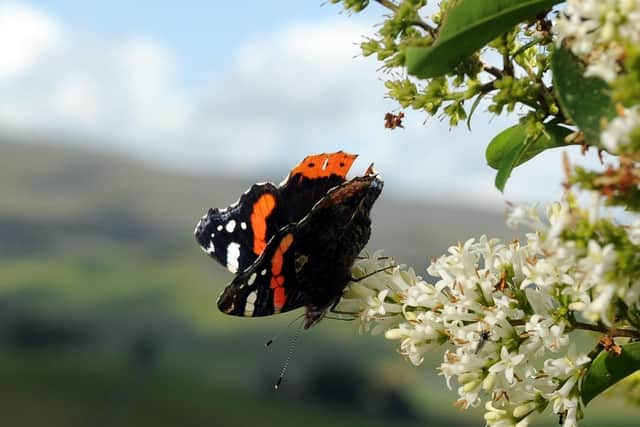
The most-spotted butterfly in the county was the Small White, also known as the ‘Cabbage White’ due to their caterpillars’ taste for cabbages and other brassicas, it has pale white wings with small black tips. The Large White took the second spot, with the Red Admiral following in third.
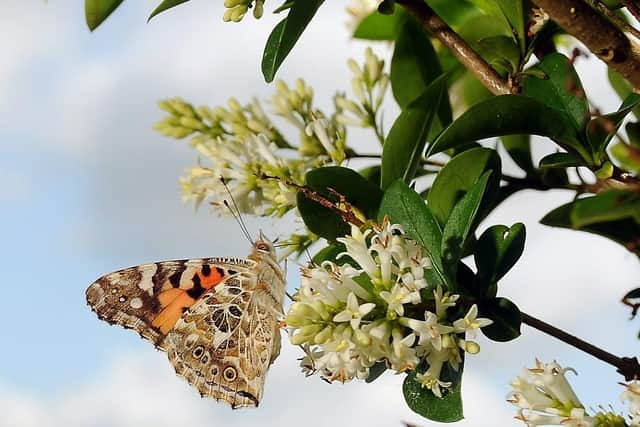
Another standout species was the Painted Lady. Yorkshire residents spotted 10,699 Painted Ladies in this year’s count and across the UK it was up 335% on last year, in what’s been widely described as a ‘Painted Lady summer’.
Painted Ladies undertake one of the most remarkable insect migrations in the world, arriving in Britain via a relay of several generations, each flying a leg of the journey from Africa, across the Sahara Desert and Mediterranean Sea, before reaching UK shores.
The strong numbers of butterflies this year are likely down to excellent conditions for caterpillars in the spring and hot, dry weather which is loved by adult butterflies in the summer. However, despite conditions being brilliant for butterflies this year, experts warn that what comes next could be dire.
This year, many of the plants that caterpillars depend on had withered or died before the caterpillars had finished feeding on them, and the charity fears the impact on butterfly and moth populations will become fully apparent in 2027.
Professor Richard Fox, head of science at Butterfly Conservation, said: “Adult butterflies love hot, sunny weather for flying, feeding and breeding, and that's exactly why people saw so many this summer. However, the very same weather that made it a good year for butterflies – lots of sunshine and very little rain – could mean we’re actually on course for a population crash, which could take years to recover from.
“The extreme droughts in 1976 and 1995 had severe impacts on butterfly populations, with some species never fully recovering. And the major problem we have now is that 80% of the UK’s butterflies have declined since the 1970s, so many are already struggling for survival, without these extreme weather pressures.
“With increasingly hot, dry summers and droughts predicted to become more and more frequent due to climate breakdown, degraded habitats and already depleted butterfly populations, some species may be pushed further and faster towards extinction, which is a very sombre thought. They are, quite simply, less resilient to these events, which means we could be looking at very difficult years ahead.”