
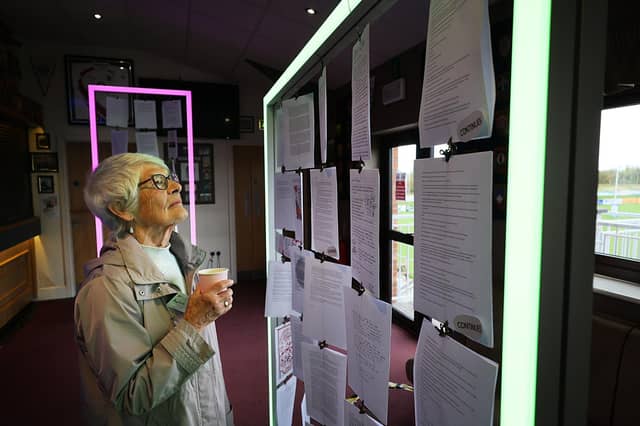

The charity, which provides care, housing, and support for people with profound learning and physical disabilities, held the event at Scarborough Rugby Union Football Club on Thursday October 15.
During the day, Hannah spoke to a number of key people from the trust, and discovered the difference it makes to those it works with. Here she recounts the key events of the celebration.
Entering the venue, I expected an event celebrating the charity’s history, and while it did, the conference largely chose to focus on envisioning and planning for the future – not just for the Trust, but centrally, the people it supports.
In an opening speech to a varied audience of staff, service users, community members and representatives from other organisations, Paul McCay, CEO of the charity, said: “We have seen over decades small improvements in how individuals with complex needs and learning disabilities are supported, understood and allowed to fulfil their potential, but that isn’t enough. We are still way behind where we should and could be.
"I’m hoping that you’ll leave today understanding the potential that individuals with learning disabilities and complex needs have, and questioning why the future we see tomorrow isn’t here today. I hope that you’ll leave with a desire to act, to challenge and to move things forward.”
In that spirit, the bustling event held collaborative talks throughout the day exploring how services could change and improve for the people who use them. Panels included those with lived experience, representatives from different organisations, health professionals, and others, with talks such as, ‘then, now.. what next?’, ‘freedom, health, and the right to live and die well’, and ‘who gets to decide?’
But the overall feeling seemed to be – ‘how can we keep doing better for the people we serve?’
Chatting with me over a cup of tea in the event’s ‘Connection Room’, Felicity Simpkin, Director of Transformation at the charity, said: "Today is important for celebrating our history, but also for thinking about what the next 40 years is going to look like. Lots has changed in the last 40 years, but even more is going to change in the next 40. We really want to make sure that we’re holding space to talk about that, and that we’re doing it in the most inclusive way possible.”
Felicity explained to me how the organisation holds ‘co-production’ at it’s heart – the idea that the design and evaluation of services are done ‘with’ the people who use them, not ‘for’ them. And this ethos was evident throughout the event. Service users participated on panels and in the planning, delivery and enjoyment of the day. Felicity continued: "We don’t want to exist just for the sake of existing – we want to be able to serve this community really well, and how we do that is always going to change because things are always changing. So, we want to exist in 40 years – but the only reason we should exist is if we are still serving that need. So we have to keep on thinking about that.”
The spirit of the day was best encapsulated in the event’s ‘Letters to the Future’ installation. Visitors could listen to and read moving letters written by service users, their families and care teams, Wilf Ward Trust staff, and many other community advocates, which held hopes, dreams and imaginings of what the world could look like for people with profound learning disabilities in 40 years time. Perhaps most moving was that these dreams were actually rather simple:
“I hope that the world becomes a place where people with learning disabilities and autistic people are not just accepted, but truly understood”;
“In the next 40 years I would like to live with my fiancé in our own house and I would like the Wilf Ward Family Trust to support me and other couples so this can happen”;
"I want my boy to have experiences of love and adoration from people outside of his family. A place to belong and have his interests nurtured.”
My personal favourite summed up much what the day seemed to be about. It said:
“I hope that in 2066, when you speak about inclusion, you don’t mean inviting people into a world designed without them. I hope you mean a world that belongs to everyone, because everyone helped build it.”
Visit wilfward.org.uk for more information about the Wilf Ward Family Trust.
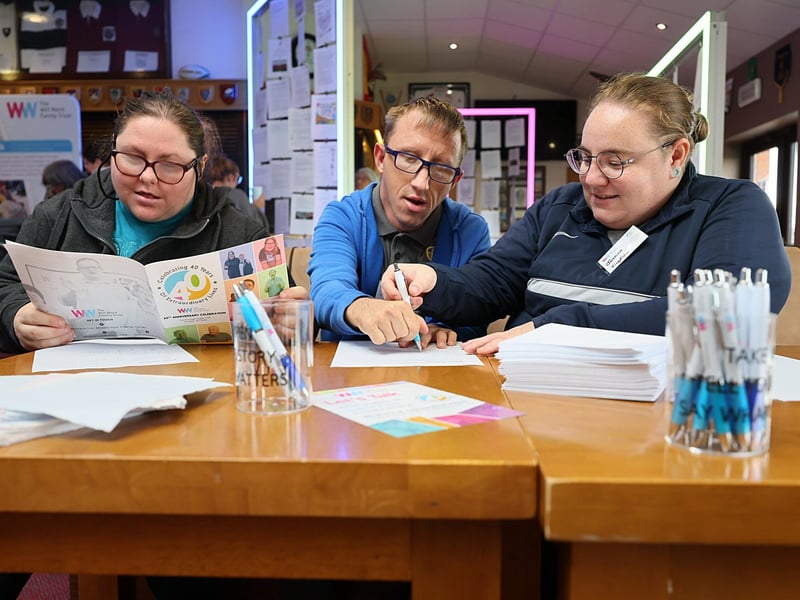
1. Wilf Ward Trust celebrates 40 years
Writing some 'Letters to the Future'. Photo: Richard Ponter Photo: Richard Ponter
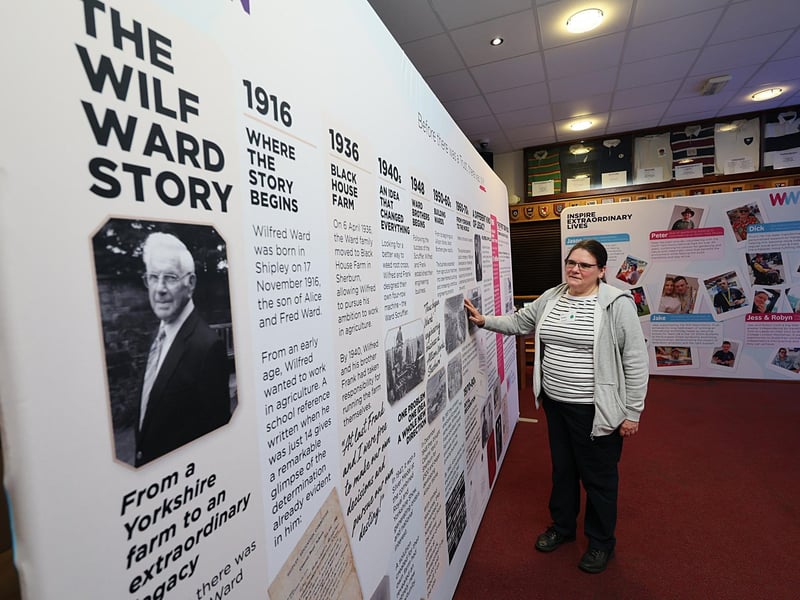
2. Wilf Ward Trust celebrates 40 years
The event looked back at the past 40 years, while planning for the future. Photo: Richard Ponter Photo: Richard Ponter
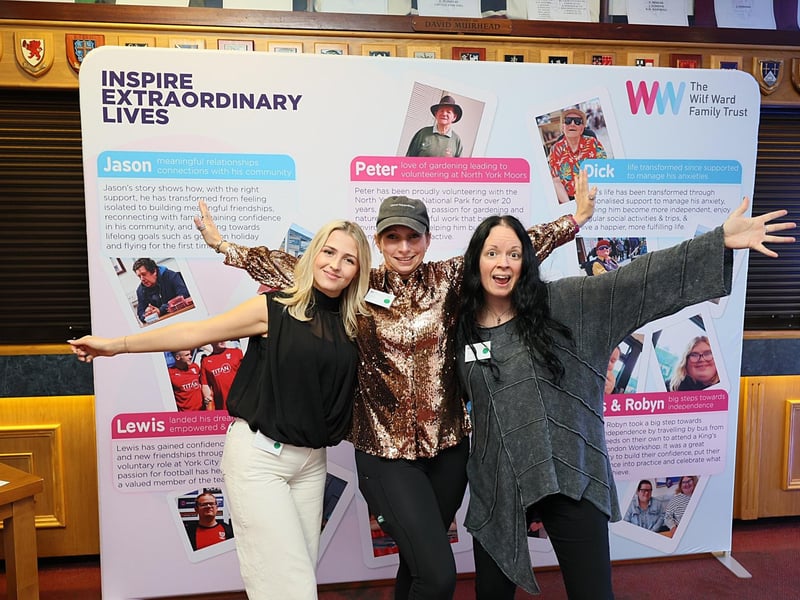
3. Wilf Ward Trust celebrates 40 years
Staff enjoy the day. Photo: Richard Ponter Photo: Richard Ponter
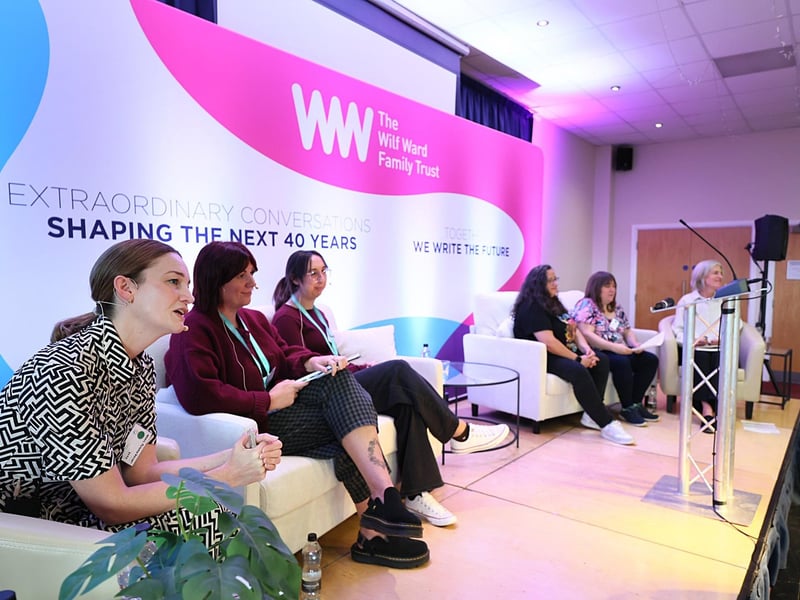
4. Wilf Ward Trust celebrates 40 years
The panels included participants with lived experience, representatives from other organisations, health professionals, and others. Photo: Richard Ponter Photo: Richard Ponter