
Scarborough Hospital introduces robot-assisted triage system, DAISY, as part of six-month pilot
Some patients at Scarborough Hospital’s Emergency Department could be triaged by a robot as part of a new project.
A pilot has been launched at the hospital using DAISY (Diagnostic Artificial Intelligence System), which is a pilot prototype humanoid device designed to assist with initial clinical triage assessments.
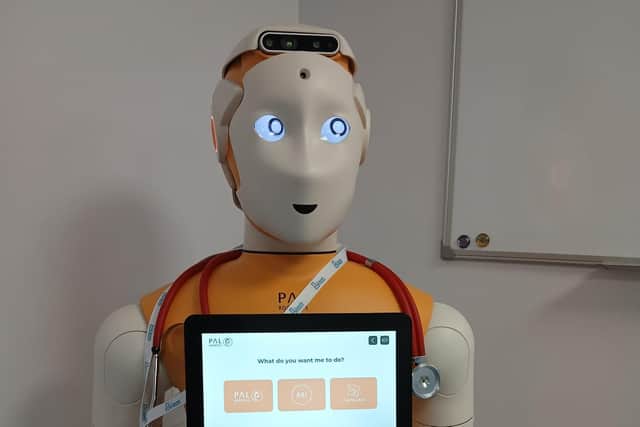

The system provides patients with instructions on how to use medical equipment to measure their own vital signs, and also asks patients health-related questions and gathers data on symptoms, body temperature, and pulse rate.
The information is analysed and compiled into a clinical report, which is intended to support staff in their assessment of the patient.
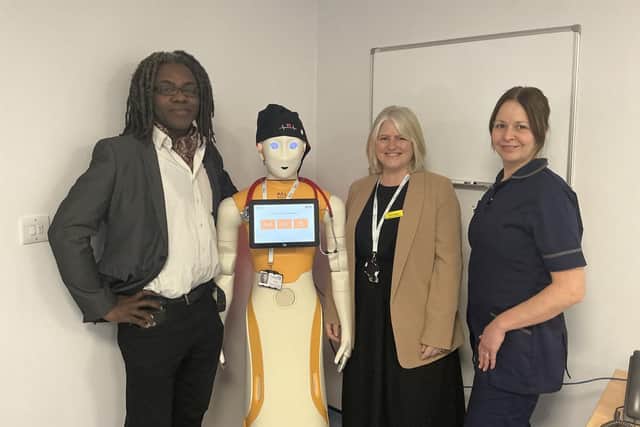
During this stage of the pilot, the use of DAISY does not replace routine care; patients are only treated based on the clinician’s diagnosis.
Currently, the research pilot is designed to assess the functionality of the robot-assisted triage system and compare its assessment with that of a clinician.
York and Scarborough Teaching Hospitals NHS Foundation Trust said that only patients who are willing, consent and can use DAISY will be invited to try it.
It added that the team leading the research will: “Investigate the social, legal, ethical, empathetic, and cultural concerns surrounding the use of artificial intelligence and social robotics in healthcare, while working closely with both clinicians and patients to address the challenges associated with the integration of this technology.”
Dr Ashaolu, DAISY clinical lead, said: “Evidence shows that patients survive more and live better lives when their ailments are identified and treated at the earliest stage.
“This device represents an important first step towards the development of a solution for automating key stages of the emergency department triage process, potentially reducing waiting times and clinical workload.”
Professor Calinescu, co-investigator on the DAISY clinical project, said: “Robotics and AI are already integrated into many healthcare systems worldwide, primarily for tasks related to deliveries and maintenance.
“However, looking to the future, we need a deeper understanding of how these technologies can directly support medics, including through interactions with patients.
“This involves considering not only their technical capabilities, but also how they are perceived by end-users.”