
The correct time to take probiotics for your gut health - according to a nutrition expert

Probiotics have become a buzzword in gut health 💊
- Probiotics have become a buzzword for a healthy gut.
- Probiotics are made up of bacteria that provide health benefits.
- Ed Topham-Clark, a nutrition expert and course tutor at Open Study College, debunks the biggest probiotic myths.
Gut health has been rising in popularity in recent years, with probiotics becoming a buzzword for a healthy gut.
These supplements are made of live bacteria and yeast that, when taken, aim to increase the population of beneficial microorganisms in your gut, supporting your microbiome and making less room for harmful bacteria or fungi to grow.
But with so much information out there about gut health and probiotics, it is a challenge knowing which advice to follow.
To help you learn more, Ed Topham-Clark, a nutrition expert and course tutor at Open Study College, debunks the biggest nutrition myths when it comes to taking probiotics for your gut.
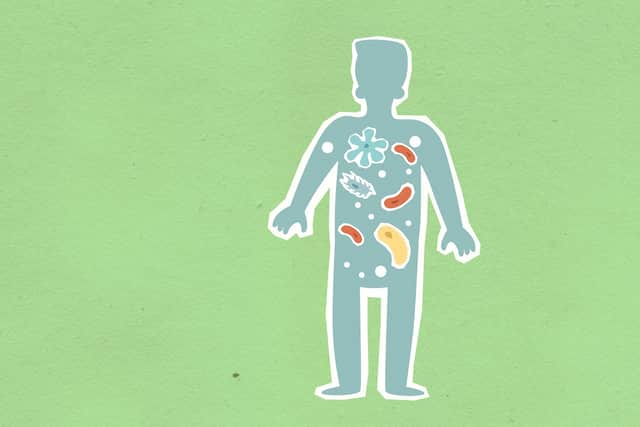

What are probiotics?
Probiotics are live bacteria and yeast that, when taken, are thought to help restore the natural balance of bacteria in your gut. This could be when your stomach has been disrupted by an illness, a treatment such as antibiotics, or for someone who has irritable bowel syndrome.
The NHS explains that there is some evidence that probiotics can help in cases of IBS; however, there is “little evidence” to support many other health claims, such as helping eczema.
Should everyone be taking probiotics?
Probiotics have become associated with staying healthy and looking after your gut, but not everyone needs them.
Ed explains that probiotics have become a “marketing buzzword for the health-conscious”. Healthy people who eat a varied, plant-rich diet have a balanced gut microbiome and usually do not need additional supplements.
However, probiotics can definitely help in some cases. Ed said: “Probiotic supplements can be beneficial in specific cases, such as restoring gut bacteria after a course of antibiotics or managing irritable bowel syndrome (IBS) symptoms, but that doesn’t necessarily mean you need to be taking them on a daily basis.”
When is the best time to take your probiotics?
The best time to take probiotics can depend on the type you are taking and your supplement protocol.
Ed explains: “Many people suggest taking probiotics either 30 minutes before or with a meal, believing it offers greater benefits.
“While this approach may be effective for some, the optimal timing can vary by brand. Therefore, it is always recommended to read the instructions on the product packaging for the best results.”
You can find out more about looking after your digestive health at NHS.UK.