
Warning issued to members of the public following bird flu outbreak across Yorkshire

Multiple cases of bird flu have been reported across Yorkshire 🐓
- Multiple cases of bird flu have been found in Yorkshire.
- There have been 58 confirmed cases of bird flu this year, with 44 recorded in England.
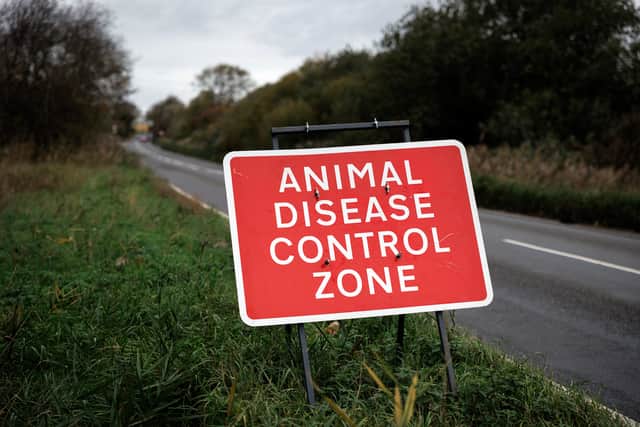
- Control zones have been declared in the affected areas.
Multiple cases of bird flu have been reported across Yorkshire in the last few months, with councils issuing statements and declaring “control zones” to prevent the spread.
In November, cases of avian flu were recorded in Leeds, Doncaster, Thorn, Bedale, Thirsk, Malton, Easingwold, Wetherby and Easingwold. Wild birds that are migrating to the UK for the winter are expected to be behind the surge.
There have been 58 confirmed cases of bird flu this year, with 46 recorded in England alone. The risk to the public is “very low”, with humans only contracting bird flu in rare cases.
However, members of the public are being urged not to pick up or touch sick and dying birds and to report any sightings immediately to the Department for Environment, Food and Rural Affairs (Defra).

Where have there been bird flu cases in Yorkshire?
Cases of bird flu have been confirmed across Yorkshire, including in commercial poultry in Easingwold, Wetherby, Easingwold, Thirsk, Malton, Thorne, Driffield, Bridlington and The Wolds and East Riding.
In the affected areas, a 3km protection zone and a 10km surveillance zone have been declared, with all poultry on the premises humanely culled.
In Doncaster, the council confirmed that “relevant health and safety measures" were being brought in after wild dead birds found at Doncaster Lakeside were confirmed to have bird flu.
Whilst in Leeds, a case was confirmed in a wild bird at Roundhay Park, with the council advising members of the public on how to “stop the spread”.
What is bird flu?
Avian influenza, also known as bird flu, is a type of flu-like illness that affects poultry, wild birds and in rare cases humans. Those most likely to get infected are people who are in close contact with birds, such as poultry workers.
What are the symptoms of bird flu?
Bird flu symptoms tend to appear three to five days after you’ve been exposed and infected by the virus.
The symptoms of bird flu include:
- a very high temperature or feeling hot or shivery
- aching muscles
- headache
- a cough or shortness of breath
- diarrhoea
- sickness
- stomach pain
- chest pain
- bleeding from the nose and gums
- conjunctivitis
If you suspect you may have bird flu, call NHS 111 and contact your GP or a healthcare professional so you can access treatment as soon as possible. Medications such as antiviral medicine may prevent complications and reduce the risk of serious illness.
What do you do if you find a sick bird?
In rare cases, bird flu can be caught by humans; members of the public are being warned not to touch any sick or dead birds. When walking with your dogs, keep them away from birds and report any sick or dead birds using the Defra Helpline on 03459 335577 or their online reporting system.
Bird flu is rare in humans. You can find out more information about the signs and symptoms at NHS.UK.