
Yorkshire Coast RNLI teams offer advice on weever fish stings
Volunteers RNLI teams along the Yorkshire Coast are offering advice on weever fish, which can make a trip to the beach very painful.
Weever fish are small, sand-coloured fish that can easily blend into their surroundings.
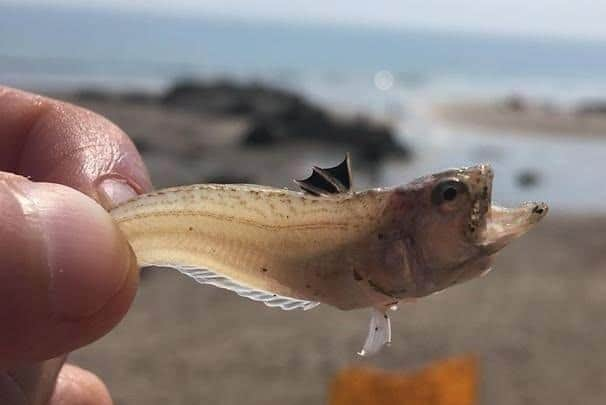

They spend much of their time buried in the sand, with only their dorsal fin visible above the surface.
The dorsal fin contains venomous spines which the fish uses as a defence mechanism.
Unfortunately, this often means unsuspecting beachgoers can accidentally step on them while paddling in shallow water.
Although a weever fish sting can be very painful, it is usually not serious and does not typically cause any lasting harm. The level of pain can vary from person to person depending on their pain tolerance and the number of spines involved.
If you are stung by a weever fish, the RNLI advises you to:
• Place the affected area in warm water for as long as possible. RNLI lifeguards will typically use warm water for around 10 minutes, or until the pain becomes manageable.
• Wash the area with warm, soapy water to help remove dirt and reduce the risk of infection.
• Check and care for the wound. A dressing or bandage may be required if the skin has been punctured.
A spokesperson said: “All RNLI lifeguards are trained to treat weever fish stings and deal with hundreds of cases every year. If you are stung on a lifeguarded beach, alert a lifeguard as soon as possible and they will provide the appropriate treatment and monitor you for any adverse reactions.
“We recommend wearing wetsuit boots or swimming shoes when walking in shallow water. Shuffling your feet through the sand can also help disturb the seabed and encourage weever fish to move away before you step on them.
“While weever fish stings can be painful, there are greater dangers around our coastline. That's why the RNLI encourages everyone to choose a lifeguarded beach and always swim between the red and yellow flags.”