
The Vintage Views column with Aled Jones - looking at Children's Corner
This picture postcard, taken in the early part of the 1900s, shows the area of North Beach known as Children’s Corner.
It shows the decorum of that era and the vibrancy of a holiday in those days. Hiring a rowing boat for a trip around the Bay, or having your fortune told, were popular pastimes.
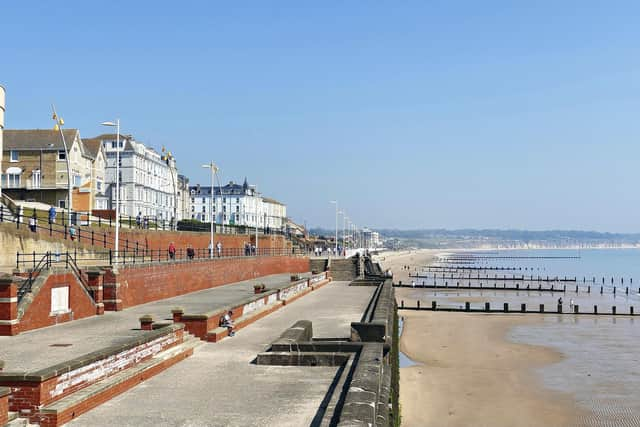

It also shows the value placed on childhood during the era. Historians say that a Golden Age existed between 1901 to the outbreak of WW1 in which children mainly enjoyed a time of joy and innocence.
What did Edwardian kids do at the beach? They would paddle in the sea, remaining clothed at all times. They would watch a Punch and Judy puppet show. They would ride a pony or a donkey. They would enjoy coconut shies, carousels and cable rides. They would build prize-winning sandcastles.
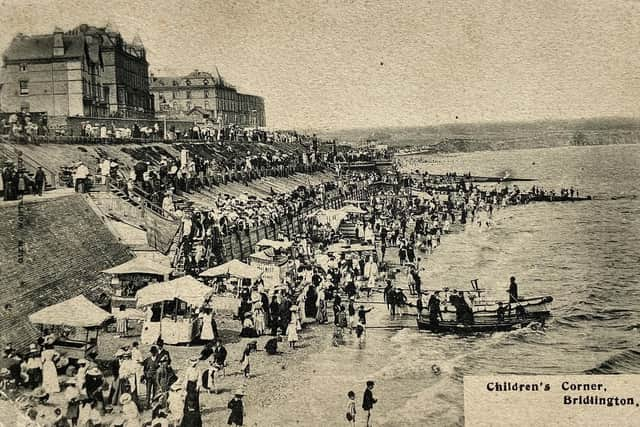
The beach is packed with stalls, showing the variety of attractions available at the time, for both children and parents alike. The ‘hokey pokey’ vendor (ice-cream seller) in the foreground is no doubt doing good business.
The name ‘hokey pokey’ originated from the Italian phrase ‘oh che poco’, ‘oh how little’, referring to the cheap price. An ice-cream cone in the early 1900s could be bought for a penny!
I believe the largest ice cream maker and seller at the time was Bakers, who remarkably did not close down until 1987.
Further up the beach is a palmist; budding clairvoyants could have their fortunes told in this era for a silver sixpence.
A pair of cobles ply their trade along the foreshore. They could well be fishing cobles, judging by their size. They have turned their hand to rowing-trips after a winter fishing for cod.
People are literally packed in like sardines on the old Lower Parade (centre), a long wooden board-walk where the Victoria Terraces now stand. There‘s no casual dress to be seen.
The magnificent brick wall (left) is part of the sea defences built in 1859.
The postcard is dated 29 July 1905 and is addressed to a Miss Thompson of Chesterfield. The sender writes, “…I have come to 13 Queen Street Bridlington Quay for a few days. Hope you are good girls. I am going to write. Mother”
The front of the image is signed (left) by ‘Glen Wortle Leeds’, the gentleman behind the lens.