
Vintage Views with Aled Jones: An insight into Edwardian beach life
When a Chalybeate spring was discovered near the harbour (1811) crowds flocked to drink the iron-rich mineral water. As a result, Bridlington became a fashionable spa resort – and as this picture lovingly shows, it remained so in the 20th Century.
This 1908 image offers a fascinating snapshot into Edwardian beach life at Bridlington, particularly the custom that people should remain fully clothed and shouldn’t sunbathe.

Vintage photographic postcards like this fine sepia example were very often produced locally and in small numbers.
Our hero image today is the work of the ‘Buckrose’ Series, an independent photographer based on Hilderthorpe Road. It could easily be a unique, one-of-a-kind piece of work
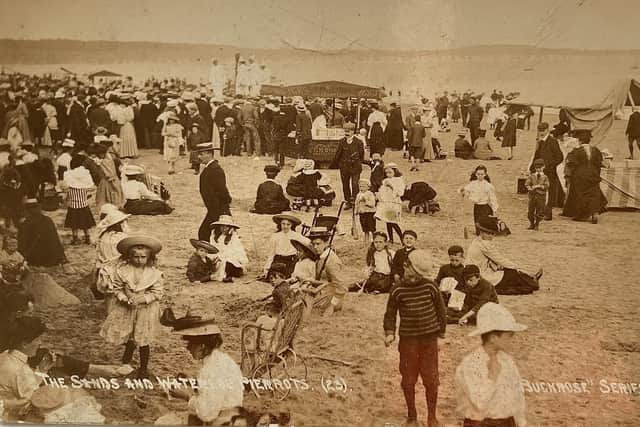
Hats, frocks and Pierrots on a wooden stage provide the clues to date this picture of a crowd on the North Sands to the ‘Gilded Age.’
It’s a scene showing ‘Children’s Corner,’ a part of the beach specially set aside just for families, where kids could play in safety.
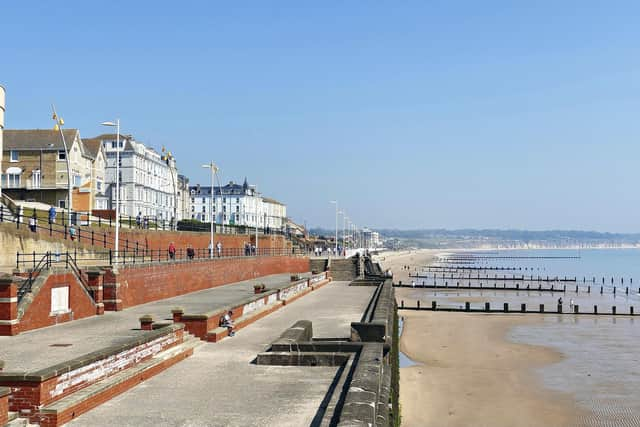
The special area was sited just in front of the Victoria Terraces, which had replaced an earlier wooden board-walk.
The Victoria Terraces and promenade had been lavishly opened in 1906 and visitors were drawn by the sheer spaciousness of the new seafront area.
There is plenty going on in the postcard – the image is packed with children building sandcastles. Notice the lad on the left who has created a motte-and-bailey.
It also shows the variety of kiosks and entertainments available on the North Beach. In the far background is a carousel and a rope slide, contrasting with the present day usage of the sands.
The kiosk on the right is selling fresh baked treats: there are cake boxes to be seen on close inspection of the image.
The kiosk in the distance is doing good business in ice-cream (hokey pokey). As there is a lot of sharp detail in the picture, we can easily read the sign on the front: ‘C.H. Shaw Guaranteed Pure Ices.’
The Waterloo Pierrots were a regular attraction at Bridlington from 1893 to 1914. One of the troupe, Joe Beanland, is playing a harp at the rear of the aforesaid stage.
The act received their name from the Waterloo Café where they dressed for their shows.
Looking at the crowds, the troupe certainly knew how to attract the tourists, but then, the town’s success relied mainly on comedy acts provided by these men in spotted clown-like costumes.