
Vintage Views with Aled Jones: Trinity Cut in 1925
The North Sands about 1925. On the left can be seen the entrance to Trinity Cut, the paved slipway connecting Promenade with the beach.
The cut once marked the boundary between Bridlington and Sewerby Councils.
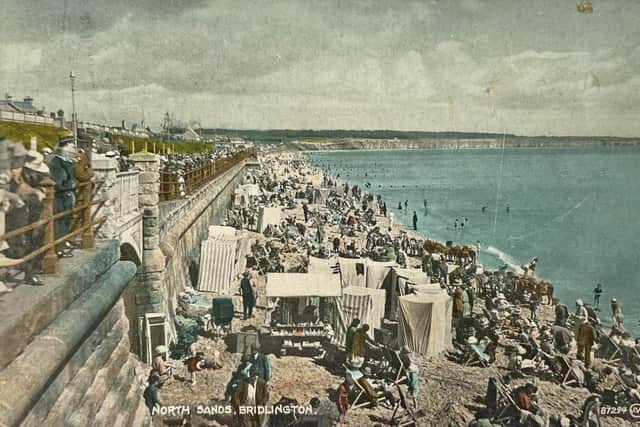

The bridge over Trinity Cut, originally called Sands Cut, was built in 1888. It is known locally as ‘Donkey Bridge’ and carries the royal crescent.
It was named after the donkeys who reached the beach via the slipway.
Brought to Bridlington in 1896, beach donkeys were once a traditional part of the seaside scene. Donkeys can be seen waiting on the shoreline (right) for their next riders.
As early as 1903, there were 47 licensed donkeys at work on our sands. It’s sad donkey rides are no more here.
Trinity Cut was not only the slipway for the beach donkeys. The early wooden lifeboats were often towed by hired horses to the Cut to be launched from the North Beach. Every launch would draw huge crowds watching from the seafront above.
It was, however, always extremely dangerous work. In 1897 a local journalist was knocked down and killed when the wheels of the lifeboat carriage became stuck in the sand during a vicious storm.
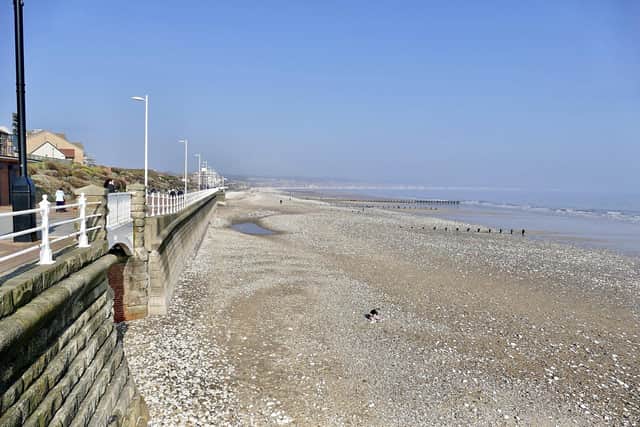
This image shows a busy scene one bright summer’s day. It carries us back to a time when this area of the foreshore was always filled with visitors, contrasting with the present quieter nature of the beaches.
By this time (1920s) bathing in the sea had developed from being a medical cure-for-all to being a fun activity to be enjoyed during holidays. An era when bathing vans had finally been replaced by bathing tents and deckchairs, both cheap to hire. Note the deckchairs stacked up against the wall of the Cut.
There is a stall in the middle foreground selling a range of ceramic gifts and keepsakes. It is interesting to think that these “novelties” may today be considered collectible antiques.
The nearby Alexandra Hotel was instrumental in popularising the North Beach between the wars, serving as a major draw for wealthy visitors. Guests at the hotel would avidly watch lifeboat launches from their bedroom windows.
This postcard appears to have been colourised, giving it a realistic yet altogether “souvenir” style appeal.