
Crimestoppers campaign warns of the danger of buying fake goods
Independent charity Crimestoppers has launched a digital campaign to warn East Yorkshire residents about the dangers of buying counterfeit goods.
Crimestoppers is especially warning communities of the risks of three categories of consumer goods that are either bought for personal use or commonly purchased as gifts, and are particularly dangerous:
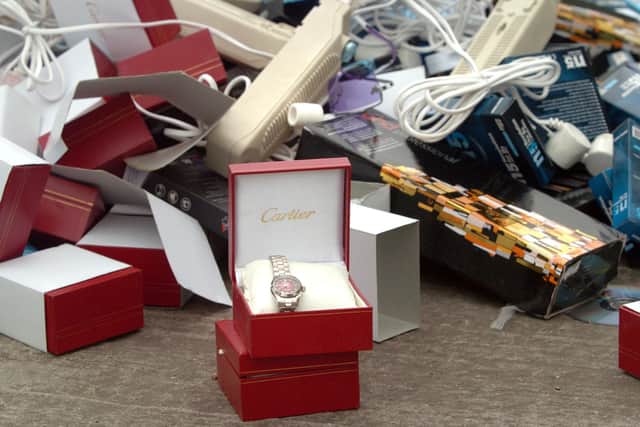

•Fake cosmetics: contain harmful chemicals that may cause skin irritation, allergic reactions, or long-term health issues.
•Fake toys: often made with low-quality materials, they can contain toxic chemicals, loose parts, or sharp edges. Giving counterfeit toys to children can lead to choking, burns, hearing damage, or even strangulation.
•Fake electronics: unlikely to comply with manufacturing standards, making them prone to overheating, catching fire, causing burns, giving electric shocks, or even exploding.
More than 80% of counterfeit products recently tested by the Government failed safety inspections, according to the Chartered Trading Standards Institute. And criminals are becoming increasingly skilled at finding new ways to deceive consumers.
To help consumers avoid counterfeit goods the Crimestoppers has published guidance on how to tell if items for sale are genuine or not. Signs to look out for include:
Price – too good to be true: If the price seems unbelievably low, it's likely a fake product that could be harmful and of very poor value.
Suspicious websites and unusual sales locations: Untrusted websites and lesser-known outlets are common places for criminals to sell counterfeit goods. If someone is selling products from the back of a van, in a pub or club, it's probably not genuine.
Spelling and grammatical errors: Criminals often overlook small details, leading to spelling mistakes on their websites and product packaging.
Differences in product or packaging: If the product you receive looks of poor quality and doesn't match the original, it's likely a fake.
Missing information: If the product lacks information such as the batch number or the period-after-opening (PAO) symbol for cosmetics, safety certifications for toys, or warranty details for electronics, it's probably counterfeit.
Mick Duthie, operations director at Crimestoppers said: “Buying fake goods might seem at first like a good way to save money, and a harmless way to get a bargain, but the reality is very different. Fake goods are often made badly, of poor quality materials. Because there is no quality control the items are often flimsy, so you’ll need to replace them more often. They are also likely harmful to the environment and can pose serious if not fatal health risks.
“If you know anyone selling fake goods you can tell our charity anonymously and help stop them putting consumers at risk. If you call Crimestoppers the call will be completely anonymous so no-one will find out that you have called.”
•Information can be given 100% anonymously to Crimestoppers, which is independent from law enforcement, in over 150 different languages, 365 days of the year, 24/7, by calling the UK-based Contact Centre on 0800 555 111, or by completing a safe and secure online form at Crimestoppers-uk.org. In an emergency, always call 999.