
East Riding residents to pay 6.3% more on Council Tax police precept
Residents across the Humberside Police force area will be paying more for the service – with an increase of £18.49 (or 6.3%) on a Band D property.
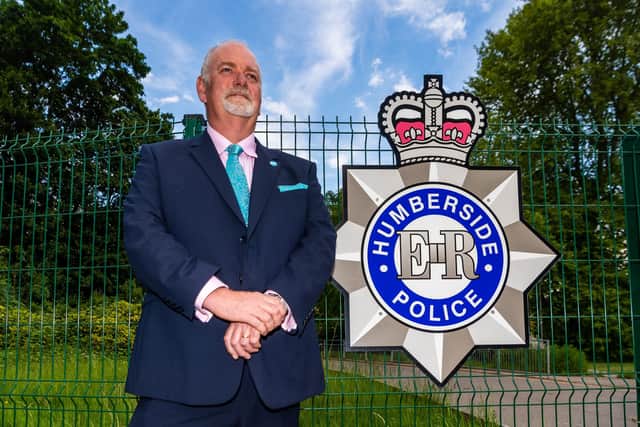
The Police and Crime Commissioner (PCC) for Humberside, Jonathan Evison, welcomed the decision of the Humberside Police and Crime Panel to approve the 2026/27 policing precept rise.

This approval follows public consultation and an exceptional financial year in which delays to the national Police Finance Settlement created significant uncertainty.
During the consultation period, the Home Office launched an exceptional precept scheme, enabling forces to apply to increase the precept beyond the usual £15 threshold without triggering a local referendum.
Recognising the financial pressures in Humberside and the requirement to maintain frontline officer numbers, the PCC applied for an exceptional increase.
The Home Office approved an uplift of £18.50, enabling the commissioner to propose, and the panel to approve – a precept level of £18.49 for a Band D property for 2026/27.
The precept cost to residents will now be: Property Band A – £209.11; Band B – £243.96; Band C – £278.81; Band D – £313.66; Band E – £383.36; Band F – £453.07; Band G – £522.77; Band H – £627.32.
The PCC highlighted the record levels of public engagement in this year’s precept consultation.
The consultation saw:
•1,796 total responses, compared with 668 last year.
•Strong support for a rise: 88% were in favour of some increase, with 51% supporting an increase of £14.99 or above.
•Responses were received from all areas across the Humber region.
•Top priority issues identified included burglary, drug-related crime, knife crime, dangerous driving, and violence against women and girls.
The PCC said: “I welcome the Panel’s approval of this coming year’s precept, which is essential to maintaining the frontline resources our communities rely upon.
“This funding will help ensure a financially sustainable policing model, protect neighbourhood policing, and allow us to continue investing in the areas the public told us matter most.”