
Annual Great British Beach Clean: Here's how to get involved
The Marine Conservation Society’s annual Great British Beach Clean will be running from September 20-29 – here’s what you need to know.
The programme is one of the largest marine citizen science activities of its kind in the UK.
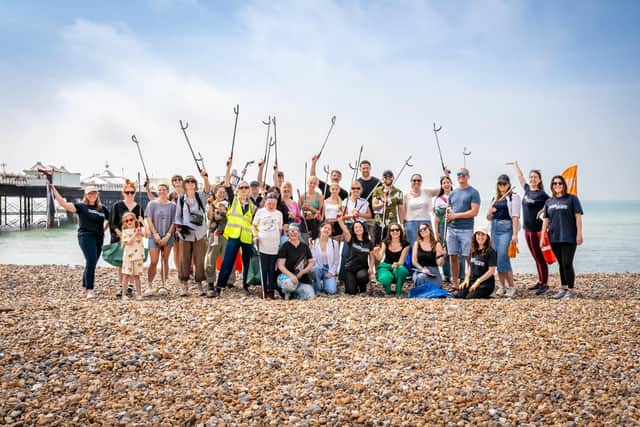

Volunteers taking part will not only be clearing beaches of litter, but help the Marine Conservation Society, the UK’s leading ocean membership charity, to gather vital data to create change for cleaner and healthier seas.
At last year’s Great British Beach Clean, 5,416 volunteers conducted 428 beach cleans over 10 days, surveying 64,139 metres of coastline. A total of 129,391 pieces of litter were collected, filling 1,426 bags and weighing 7,476 kg.
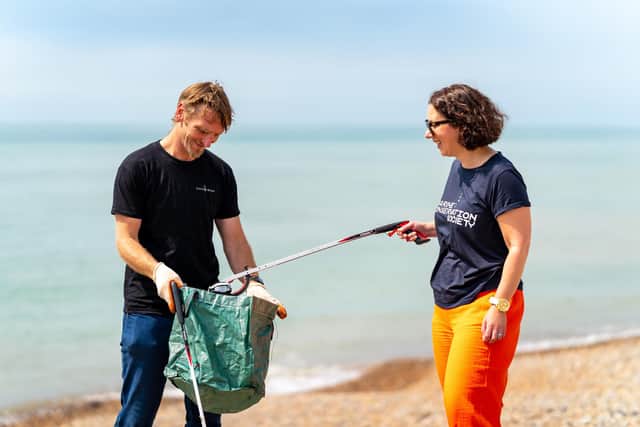
The Marine Conservation Society has recorded an average drop of 80% in carrier bags found on UK beaches since charges were introduced, showing that policies to reduce plastic work.
Lizzie Price, Beachwatch Manager at the Marine Conservation Society, said: “It's fantastic to see real-world evidence of the effectiveness of policies such as carrier bag charges in tackling pollution from single-use plastics. There's no denying that these measures have helped to reduce litter on our beaches. However, we cannot afford to become complacent.
“Drinks-related litter, such as bottles and cans, were found on 97% of UK beaches surveyed last year. We need wider policies such as charges, bans, or deposits on more single-use items where possible, including the proposed deposit return schemes for plastic bottles, cans, and glass. We must keep moving towards a society that repairs, reuses, and recycles.”
Clare Trotman, Beachwatch Officer at the Marine Conservation Society, said: “The work we do at the Marine Conservation Society simply wouldn’t be possible without the dedication of our volunteers, who help gather crucial beach litter data. This information is invaluable in shaping scientific understanding and driving the changes needed to protect our precious marine environment.
“With beach cleans taking place all over the UK and Channel Islands, there are countless opportunities to get involved and support us this year. And if you can’t make it to the beach, you can still contribute by organising a local litter pick and survey in your area.”
Visit https://www.mcsuk.org/what-you-can-do/join-a-beach-clean/great-british-beach-clean/great-british-beach-clean-events/ to sign up for a beach clean, or to organise your own.