
East Yorkshire RSPCA centres dealt with 270 wildlife-related case as incidents rise
Residents in East Yorkshire are being asked to make their gardens more wildlife-friendly following a rise in sick and injured wild animals.
RSPCA centres across the area dealt with 270 wildlife-related cases as incidents increased by 33%.
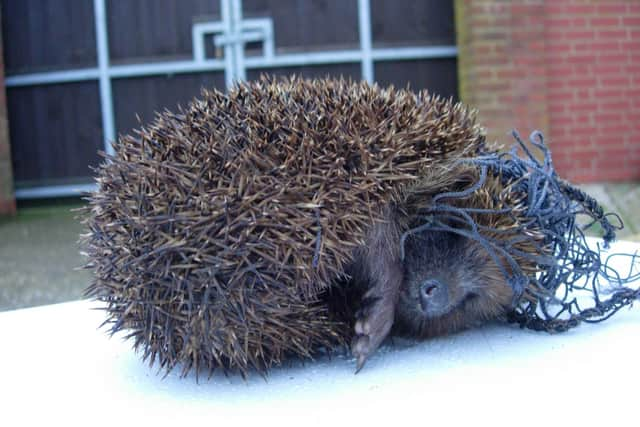

A whopping 10,209 wild animals were admitted to the charity’s wildlife centres across England, compared to 7,519 in 2023.
Hedgehog admissions last year were by far the highest of any wild animal at 2,275, followed by wood pigeons (1,113) and blackbirds (288).
Now, the RSPCA hopes the public can help keep wild animals safe by creating havens in their own gardens, or local community green spaces – offering a “lifeline” to many animals, and easing the burden on the RSPCA on the frontline and in its dedicated wildlife centres.
RSPCA wildlife expert Rebecca Machin said: “These shocking wildlife centre admission numbers show that wild animals face huge challenges. We cannot tackle this alone – so we’re urgently asking the public to do their bit to help animals.
“We’d like to make gardens a better place for wildlife, from removing hazards like netting which can seriously injure or kill, to ensuring that your garden offers an environment that can help a range of wild animals flourish, such as adding ponds and wild areas.”
10 tips to create a wildlife-friendly garden
•Leave and encourage ‘wild’, insect-friendly areas in your garden to encourage insects.
•Avoid netting to cover ponds, fruit or vegetables as animals can become easily entangled, causing serious injuries and sometimes death - and put away sports netting when not in use. If you find a trapped animal and can do so safely, please try to free them and take them to a vet yourself - this will ensure they get help as quickly as possible. Find out more on our website.
•Cover all drains and leave watering cans upside down to prevent animals from falling in or becoming trapped.
•Check carefully for animals before mowing or strimming the lawn; check bonfires for hibernating animals before setting light to them; and never disturb nesting or hibernating animals.
•Provide logs, compost and leaf piles which provide shelter for animals like hedgehogs and are havens for insects.
•Amphibians such as toads, frogs and newts need a pond to breed so adding one to the garden is a great way to encourage animals. Ensure there is a slope or ramp out of any ponds – which provide a natural source of water and attract food sources such as insects – to create easy access in and out.
•Create homes for wildlife such as ‘hogitats’ (hedgehog homes), bat boxes, bird boxes, bee houses and insect hotels – there’s instructions on the RSPCA website.
•Leave out fresh, clean water and food sources (such as meaty food like dog food for hedgehogs, or nuts, seeds and grains for birds – here are some ideas on what to feed the birds).
•Avoid using dangerous pesticides and other harmful chemicals, and storing chemicals away from any wildlife and pets.
•Plant a range of native plants, to encourage pollinators such as bees, hoverflies and butterflies.