
Flamingo Land 'extremely proud' as they expand beaver conservation work
Flamingo Land has created a new dedicated holding facility for Eurasian beavers which is playing a key role in the conservation an reintroduction of the native species to Britain.
Eurasian beavers were hunted to extinction in the UK around 400 years ago. Beaver reintroduction projects are helping restore wetlands, improve biodiversity and reduce flood risk through the animals’ natural dam-building behaviour.
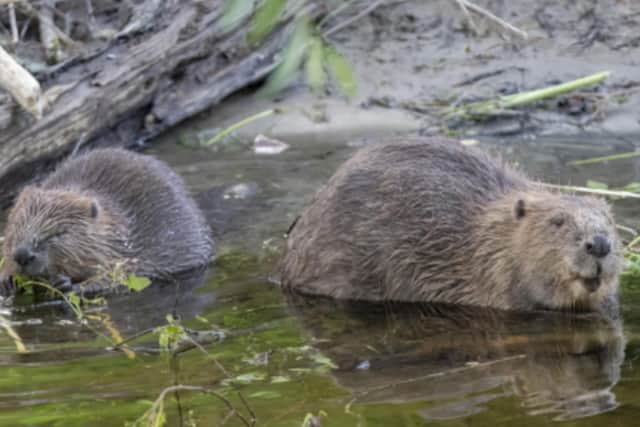

For the past seven years, Flamingo Land has worked closely with Forestry England to temporarily hold beavers prior to their release into other locations in Britain as part of national restoration programmes.
In January this year, a brand new holding facility was constructed to expand this important work. The project was developed in collaboration with Forestry England with additional funding by Yorkshire Water and Beaver Trust.
The new facility will allow Flamingo Land to increase the support it can provide to Eurasian beaver restoration efforts across Britain and potentially play a key role in future releases across Yorkshire and the wider north of England.
Kieran Holliday, Science and Conservation Officer at Flamingo Land, said: “Eurasian beavers are one of the most important ecosystem engineers in Britain, and their return to our landscapes has the potential to deliver enormous environmental benefits. Being able to support reintroduction programmes by providing a secure holding facility is something we are extremely proud of.
"This new facility strengthens the role Flamingo Land can play in native species conservation and allows us to support partners such as Forestry England and Beaver Trust even more effectively.”
The facility is one of only a few dedicated beaver holding facilities located within zoos in Britain, and provides a stepping stone between those in Scotland and the South of England. Designed to be fully biosecure, it provides a safe and controlled environment where beavers can be temporarily housed while health checks and veterinary tests are completed, or where animals can rest during longer transportation journeys between release sites.
Constructed using a retrofitted and repurposed shipping container, the facility is both practical and sustainable. It contains four separate holding enclosures, each equipped with a large 3 x 3 metre pool with a depth of 0.75 metres. The design also allows the space to be reconfigured into two larger enclosures if family groups need to be housed together. The unit also includes a dedicated veterinary workspace with scales and an examination table to allow health assessments to be carried out quickly and efficiently.
Dr Roisin Campbell-Palmer, Head of restoration for Beaver Trust, said: “The development of these new beaver holding facilities represents an important step forward for beaver restoration efforts in Britain. They play a vital role as short-term holding spaces where animals can be carefully prepared for successful release into the wild.
“A key function of these facilities is to reunite family groups wherever possible, as maintaining natural social structures is essential for both beaver welfare and their ability to thrive once released. They also enable essential health screening, ensuring that each individual is fit, healthy, and ready to adapt to its new environment.
“As beavers are increasingly translocated across Britain as part of coordinated restoration efforts, having dedicated, well-managed facilities like these ensures that these movements are carried out responsibly and to the highest standards of animal welfare. Importantly, these sites are not open to the public and are designed to minimise human interaction and stress for the animals.
“Ultimately, this is about giving beavers the best possible start before returning them to the landscapes where they belong, supporting the long-term success of restoration across Britain.”
The creation of the facility marks another important milestone in Flamingo Land’s growing portfolio of UK conservation initiatives, which also includes projects supporting white-clawed crayfish, harvest mice, great crested newts and paves the way for more native species in the future.