
Reservoirs in Yorkshire see largest weekly increase in over 30 years after heavy rainfall across region
Reservoirs in Yorkshire have seen the largest weekly rise in over 30 years.
Reservoir stocks increased to 45.6 per cent - up 14.8 per cent in the last seven days – after heavy rainfall across the region.
However, the reservoirs remain well below the 69.6 per cent average for this time of year.
The largest inflows of water over the last week were seen at:
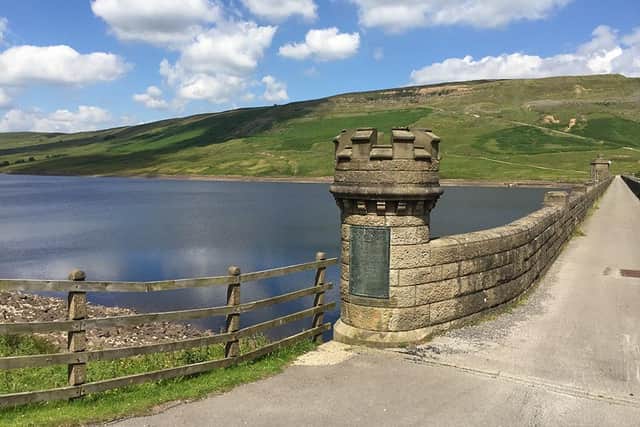

Scar House Reservoir, Nidderdale - over 3bn litres inflow
Grimwith Reservoir, Yorkshire Dales - over 2.7bn litres inflow
Langsett Reservoir, South Yorkshire – over 900 million litres inflow
Digley Reservoir, West Yorkshire – over 750 million litres inflow
Groundwater levels and the region’s rivers also saw a significant increase in water levels.
Dave Kaye, Director of Water Services at Yorkshire Water, said: “The rainfall we’ve seen over the last seven days has had a significant impact – the largest weekly increase in stocks we’ve seen in 30 years.
"The rain over the last seven days has also recharged groundwater and the region’s rivers.
"The recharge of the rivers means we can enact our drought orders and permits to allow the reservoirs maximum recovery.
“While the increase in reservoir and groundwater stocks is positive and very welcome after the driest summer on record, our stocks are still well below where they should be at this time of year.
"We hope the reservoirs and groundwater will continue to recover through the autumn and winter months so we’re in a good position entering 2026.
“Despite the relief of the rainfall, we are continuing our efforts to tackle more than 800 leaks per week and lay over 1,000km of new water pipes over the next five years.”
The current hosepipe restrictions will remain in place and will be in effect until reservoir and groundwater levels have seen sufficient recovery.
Dave Kaye added: "We’re hoping this will occur through usual autumn and winter rainfall and we will continue to monitor levels and remove the restrictions as soon as we are able.
“Once again we’d like to thank customers’ efforts to adhere to the restrictions and for those taking further steps to conserve water resources.”