
RSPB Bempton Cliffs volunteers survey gives glimmer of hope for kittiwakes along the Yorkshire coast
A painstaking monitoring programme at RSPB Bemtpon Cliffs nature reserve has shed light on the fate of kittiwakes in this area.
Thirty conservation volunteers from across Yorkshire spent 500 hours in all weathers during May, June, July, and August, monitoring the coastline’s threatened kittiwake population.
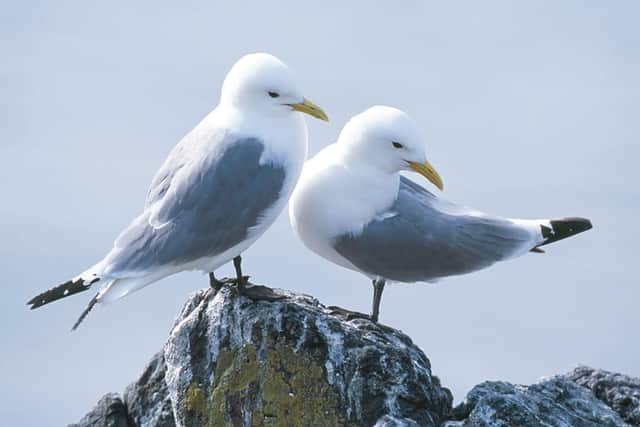

The survey’s results show each pair, on, average raised 0.82 chicks, which means it is now more likely that the population will be maintained.
Kittiwakes are an ‘indicator’ species, which means if they are doing well, this is a good sign that puffins, gannets, razorbills, and other seabirds should also have had a good year.
There is now renewed optimism that Yorkshire’s kittiwake decline could be starting to turn a corner, and conservationists are encouraged to see this trend as it is more likely that the population will be maintained and hopefully increase.
RSPB Bempton Cliffs is a significant part of the Flamborough and Filey Coast Special Protection Area, which holds more than 20% of the UK breeding population of kittiwakes, so monitoring is crucial to understanding how the population is faring.
Each conservation volunteer was given 50 nests to monitor within a specified ‘plot’ and they painstakingly recorded how many eggs were produced and crucially how many chicks fledged from each nest. 865 individual nests were checked weekly across 16 study plots along the coastline.
Dave O’Hara, senior site manager at RSPB Bempton Cliffs said: “Because kittiwakes are an ‘indicator’ species, dependent upon sandeels, they effectively let the conservation teams know how the wider marine ecosystem is doing. In a nutshell if the kittiwakes are doing well, then the puffins and other seabirds should be producing good numbers of chicks too. Historically, far more kittiwake pairs were regularly fledging two chicks, taking the average number of chicks to over one chick per pair.
“Bempton Cliffs is home to one of the UK's top wildlife spectacles, but these populations of seabirds are at the forefront of the climate emergency, and they are in significant decline. The work our volunteers do in monitoring the kittiwakes is vital, and along with other detailed monitoring by the RSPB team is giving us data that will help us conserve not just this species but the wider seabird populations here.”
Whilst the kittiwake monitoring work is now all completed, volunteers will continue to monitor the gannets until October.