
RSPB celebrates after EU challenge to ban sandeel fishing is dismissed
The RSPB, which runs the nature reserve at Bempton Cliffs, is celebrating after the Permanent Court of Arbitration rejected an EU challenge over the banning of sand eel fishing in the North Sea.
The ban was enforced last March, after decades of campaigning finally halted industrial fishing of sand eels in the North Sea and Scottish waters.
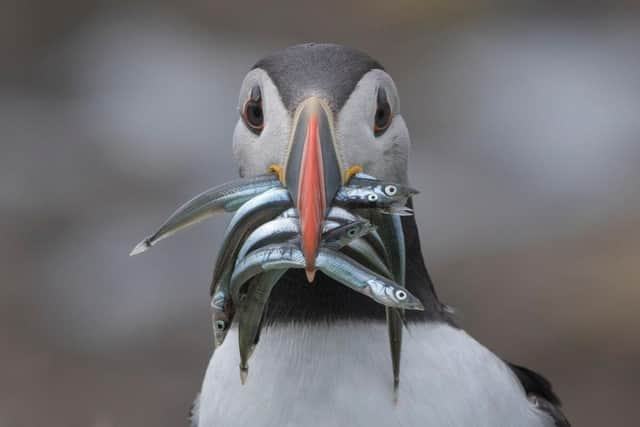

But to the bitter disappointment of conservationists, the European Commission demanded it was lifted, claiming it breached the UK’s post-Brexit break-up deal.
It led to a three-day tribunal in the Hague, which has now ruled that the UK succeeded in the majority of its arguments, and the decision to close Scottish waters was fully upheld.
The tribunal identified a procedural error in the decision to close English waters.
However it does not mean the UK is legally obliged to reverse the closure of English waters to EU boats fishing for sand eel, the UK Government said.
The RSPB was one of dozens of conservation groups to back the ban. They say the fish, which spends most of its life buried in sand, is the most important in the North Sea ecosystem as they are the mainstay of marine food webs that support wildlife from cod to kittiwakes.
The report also noted: “Sand eel are very small eel-like fish that feed on plankton. They are considered to be a type of forage or “prey” fish, as they are preyed upon by other fish, marine mammals, and seabirds.
"Unlike other forage fish, sand eel display a strong site attachment, patchy distribution, and high habitat specificity for coarse sandy sediments, where they spend a considerable part of their nonfeeding periods buried.”
Many seabirds – including the seabird colonies at RSPB Bempton Cliffs – rely on sand eels to feed their chicks.
Beccy Speight, RSPB chief executive, said: “We are absolutely delighted the panel has found the ecological case for the closure of industrial sandeel fishing is sound.
“Also, that UK governments are within their rights to restrict sand eel fishing in UK waters to protect this valuable food source for declining seabirds.
“This has been a great example of collaboration between the UK and Scottish governments, and all those in civil society across the UK and the EU that have campaigned long and hard for our threatened seabirds.
“We now expect the UK government and the EU to move forward and make this closure permanent.
“Safeguarding sand eel stocks is a key part of the jigsaw that will help set our Puffins, Kittiwakes and the wider marine environment on the path to recovery.”
Danish fishermen, who have 96 per cent of the EU’s sand eel quota in the North Sea, claimed the ban is "discriminatory" as it only really affects EU fishermen.
A Government spokesperson said: "We welcome the clarity provided by this decision, and we will undertake a process in good faith to bring the UK into compliance on the specific issues raised by the tribunal.
"We remain committed to protecting our seabirds and the wider marine environment, in accordance with our commitments to the TCA and other international agreements.”