
The RSPB Bempton Cliffs column with Ivan Nethercoat
High Summer and the cliffs at RSPB Bempton are cool – not just because of the fantastic wildlife we have but also literally as the temperature here seldom reaches those of just a few miles inland.
Our puffins have left the cliffs, along with their cousins the guillemots and razorbills. They can sometimes still be seen from the clifftop bobbing on the sea but eventually they will go to the high seas for winter.

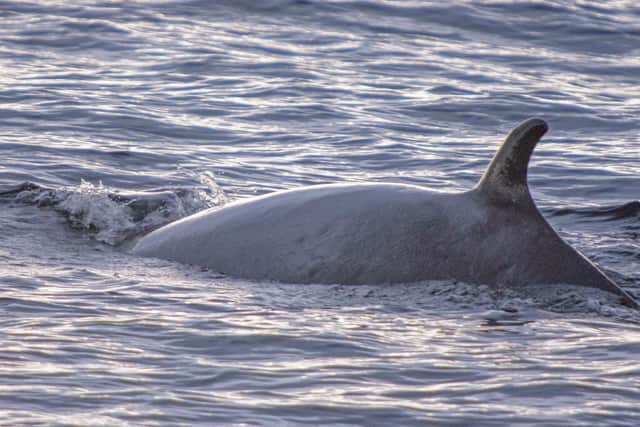
Many thousands of gannets and kittiwakes are still here and offshore you can often see a ‘feeding frenzy’ where a white cloud of gannets and kittiwakes all dive for the same shoal of fish – look closely and you may also see the dark back of a Minke whale breaking the surface as they feed on the same shoal.
This is peak whale time on our coast and if you visit you may be lucky to see them, sometimes coming quite close to the cliffs. The dolphins, seals and porpoises are here too and stay with us all year.
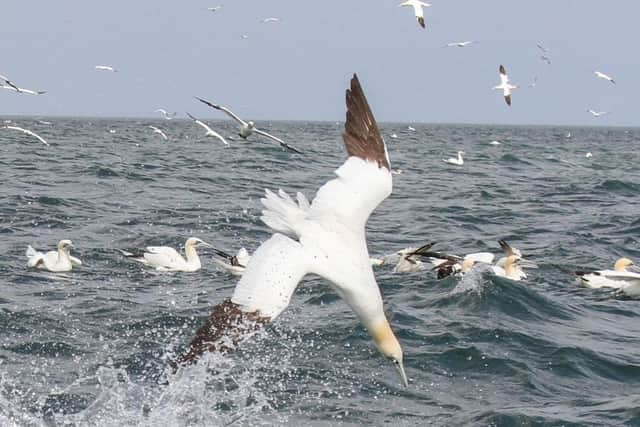
If you want to see gannets diving really close join one of our Diving Gannet cruises on the Yorkshire Belle. On these trips we feed the gannets from the boat and the site of these amazing birds diving only a few metres away is an amazing experience.
If you prefer to stay on land, then we also have gannet walks throughout the month. Details on our website.
This is also the month when migration gets under way, large numbers of swifts have been moving over the cape and out at sea there will soon be lots of seabirds passing by; shearwaters, terns and following them skuas, the pirates of the sea, chasing terns in dramatic aerial ‘dog fights’ to steal their food. In the bushes and trees the yellow young of willow warblers might be seen and as the month progresses, stragglers from Europe and Asia may turn up if the winds are favourable.
Along the paths the wild flowers here are feeding insects galore. Over a hundred painted lady butterflies have been counted in a day this year and the regular butterflies seem to be in better numbers than previous years. The grassland on the clifftop is also where the swallows and tree sparrows find their food.
While this exceptionally warm weather can appear to benefit some creatures, it is not normal. The extremes of heat and wet will continue.
Climate change is the greatest long-term threat to nature and people we face. As we have seen, the warmer weather and more extreme weather patterns are already having an impact. That’s why to safeguard birds and wildlife, and our own future, it’s vital that we tackle the nature and climate crisis.
By visiting, shopping, eating or attending an event, you are helping us fight for nature (www.rspb.org.uk/bemptoncliffs).