
Wildlife trust report highlights plight of nature in Scarborough area
A new report is highlighting how nature in this area is bearing brunt of ‘chaotic climate’ conditions.
Yorkshire Wildlife Trust (YWT) has published a new assessment regarding the effects of climate change, including around Scarborough.

Whilst summer’s headlines were dominated by heatwaves and drought, the research reveals that over the past 12 months it has been extreme changes in weather patterns that have been the most damaging overall, with the natural world bearing much of the brunt.
Key findings include:
•Drought and heat extremes have caused important wildlife habitats, such as woodlands and wetlands, to dry out completely on Yorkshire Wildlife Trust nature reserves.
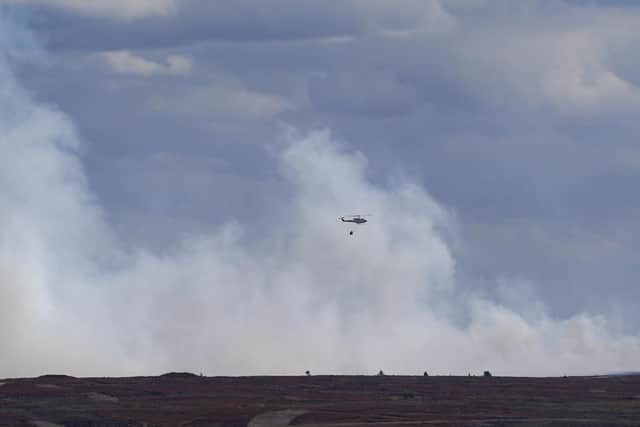
•High fire risk has also imperilled precious landscapes, including the significant blaze at Fylingdales on the North York Moors.
•Chalk streams have reduced to a trickle, impacting our endangered water vole populations, while woodland reserves such as Chafer Wood Nature Reserve Scarborough and Ashberry Nature Reserve at Helmsley have seen limb drop and early autumn canopies to cope with the hot weather.
Rachael Bice, CEO at Yorkshire Wildlife Trust, said: “Yorkshire’s wildlife is feeling the pressure again after the driest spring and summer in hundreds of years followed by periods of extremely changeable wet weather. The unpredictability of our weather over the past few years has given wildlife far less opportunity to bounce back from periods of more extreme weather.
"Low water levels in Yorkshire’s chalk streams and rivers has led to dropping oxygen levels, causing algal blooms and very high nutrient levels that cause problems for fish, and a lack of space for wildlife like newts and water voles to survive.
“Elsewhere, wetland habitats have dried out entirely – meaning waders have nowhere to hunt for food, and rare wetland plants have shrivelled and died. Wildlife is particularly vulnerable to fire risk, with ground-nesting birds, small mammals and reptiles all easily trapped by fire like we’ve seen on the North York Moors.
“It will take months for our chalk streams and wetland reserves to replenish – and it may be years before the full impact of this drought is realised for our wildlife. We are calling on planning authorities and organisations to ensure policies are robust to address the impact of our changing climate, and to work with the nature and systems responsible for health and economy.”