
Yorkshire RSPCA Wildlife Lead looks back at oil disaster 30 years on
It was one of the biggest environmental disasters ever to hit UK shores - and has been described as one of the “most magnificent rescue operations in the history” of the RSPCA.
It has been 30 years since the Sea Empress disaster and RSPCA staff including Geoff Edmond - the RSPCA’s Wildlife Lead who is based in Scarborough - has been looking back at the role he played in helping to save thousands of seabirds.
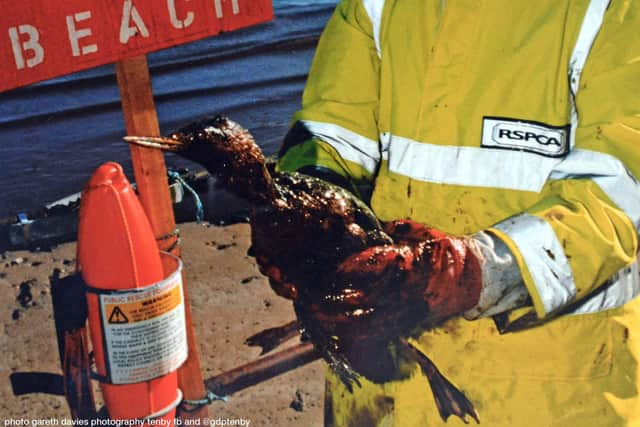

It was early on the evening of February 15, 1996 the Sea Empress, a single hull oil tanker, hit rocks on its way into the Cleddau Estuary and the ship's cargo of 130,000 tonnes of crude North Sea oil started to spill into the waters off Pembrokeshire in Wales.
The RSPCA launched a massive rescue operation in response to the disaster in an effort to save the thousands of oiled and dying seabirds that were so badly affected by the slick.
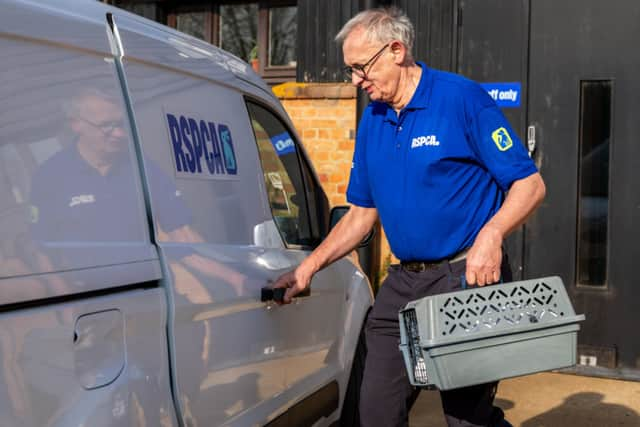
Scores of volunteers helped open and run a makeshift animal hospital - while 53 RSPCA Inspectors, 14 ambulance drivers and wildlife centre staff experts worked around the clock to nurse, clean and feed as many of the birds back to health as they could. At the height of the intake almost 760 birds were taken in one day.
By March 5 (1996) it was reported that the oiled bird count was that 2,542 birds had been found dead, 3,142 had been rescued by the RSPCA and 757 had died in care - with many others taken in by other bird hospitals and others dying at sea.
Most of the birds - around 90 per cent - were common scoters but the rescuers also dealt with guillemots, divers, gulls and swans.
Geoff said: “Shortly after the Sea Empress incident occurred I was asked to head down to Milford Haven along with my Chief Inspector.
“On arrival it became very evident we were dealing with heavily oiled common scoters.”
“They were long days and it was a case of feed, sleep and back to it - you didn't know when you were going home.
“Fortunately today these incidents are very rare and I led the RSPCA incident response for the Stena Immaculate/ Solong Oil Tanker Collision and Fire of the East Yorkshire coast in March 2025, a huge incident but with all the emergency multi agency response and plans in place plus the changes in the design of oil tankers despite many reports, there was no wildlife affected.
“We have come a long way and I feel proud to have been part of the RSPCA response in those early days.”
Neil Tysall who is currently an RSPCA Intelligence Officer, said: “Those birds we found alive were literally caked in oil and sand, in their eyes, up their nostrils and in their beaks,” he said. “The birds had also doubled in weight, making you realise the enormous effort that each of their movements must take.
“As the days went on fewer live birds were being found and some days it felt like you just collected bodies. Everything was covered in oil.”
The birds were kept in the care of the RSPCA for about two to three weeks and once fit and well they were released.
But there were also difficulties releasing the birds. Due to bad weather and some oil still present they had to release the birds in north Wales off the coast of Borth.
RSPCA Chief Inspectorate Officer Steve Bennett, who is based in North Yorkshire, said he wished to honour the long-standing staff members who were on the frontline back in 1996, highlight the “incredible collaboration” from other organisations at the time and to note its legacy.
“As we mark the 30th anniversary of the Sea Empress disaster, I find myself looking back with a profound sense of pride and humility,” he said. “On February 15, 1996, our coastline faced an unprecedented ecological threat. When 130,000 tonnes of crude oil began to spill into the Pembrokeshire waters, it didn't just create a slick on the surface; it threatened the very existence of thousands of seabirds.
“What followed was one of the most magnificent rescue operations in the history of the RSPCA.”
He added that he wanted to recognise the dedication of the staff who were on the frontline and continue to serve the RSPCA today.
“Whether you were patrolling the beaches in the dark of night, coordinating chaos in the Milford Haven control room, or spending 14-hour shifts washing oil from delicate feathers with toothbrushes and Fairy Liquid, your commitment saved lives,” said CIO Bennett.
“This operation was far too large for any one entity to handle alone. The recovery of the 3,142 birds rescued was a testament to the incredible collaboration between organisations and we saw a seamless integration of efforts from many partners.
“While we saw a tragic loss of life, the lessons learned 30 years ago have honed our skills.
“To everyone involved - those still wearing the uniform and those who joined us for a few weeks in 1996 - thank you. You turned a scene of ‘unnecessary loss of life’ into a story of hope and recovery. We continue our work today in your honour, ensuring that whether it is a massive tanker spill or a small local leak, the RSPCA is always ready to respond.”
Today the RSPCA continues to rescue, rehabilitate and release thousands of birds in need at its four wildlife centres. Though large oil spills like this are thankfully rare, over the past five years (2021 - 2025) the RSPCA has cared for 289 birds that were affected by oil or other contaminants, often caused by smaller oil leaks in canals or where waterways are contaminated with cooking oil.