
REVIEW - Curtain-up for gala at Scarborough Spa
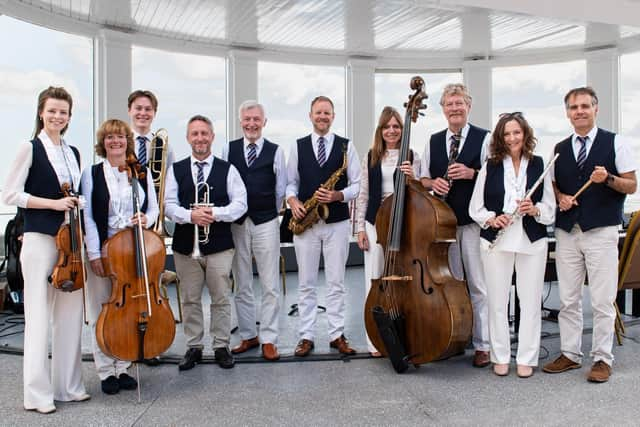
The Scarborough Spa Orchestra's 114th summer season is now well under way, and Wednesday’s Gala Concert, Curtain Up, was a reminder of why this remarkable institution remains one of Britain's most treasured musical traditions.
Founded in 1912, the Orchestra has survived changing musical fashions and the disappearance of the once numerous seaside orchestras to become the last professional ensemble of its kind.
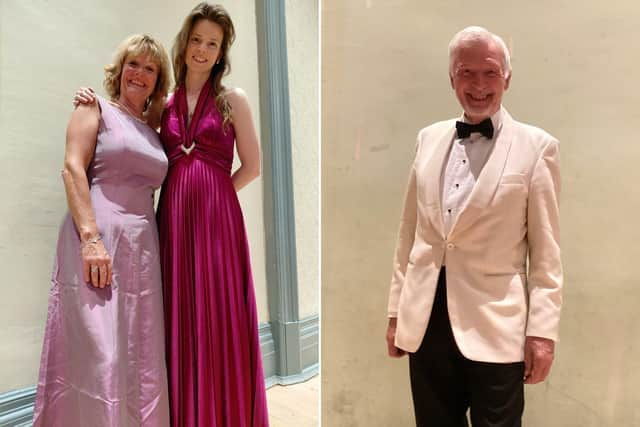
That heritage was evident from the moment the musicians took their places in the Grand Hall, the gentlemen immaculate in white dinner jackets, the ladies resplendent in sparkling evening gowns.
Much of the credit for the orchestra's continued success belongs to its Musical Director, Paul Laidlaw.

Like his most celebrated predecessor Max Jaffa, pianist Laidlaw combines the roles of conductor, arranger and genial host with effortless assurance that belies the hard work that goes into the intensive season.
The programme, celebrating the great musicals, opened in sprightly fashion with Jerry Herman's sparkling Mack & Mabel Overture, introducing the smooth, mellifluous trombone of Adam Quilter, whose rich tone was one of the musical highlights of the evening, alongside Mark Addison’s ringing trumpet.
A charming selection from Sandy Wilson’s The Boy Friend evoked all the carefree elegance of the 1920s, though written three decades later, before one of the concert's most touching moments arrived with Noël Coward's timeless I'll See You Again, a heart stopping melody played in waltz time.
Coward's great friend and rival, Ivor Novello, the dominant force in pre-war British musicals, was represented by a selection from The Dancing Years, confirming the Welsh composer’s incomparable gift for soaring melody.
Violinist Rebecca Smith, as ever, brought virtuosity and warmth, while Diane Stewart's expressive cello playing added emotional depth, underscored by Lisa Featherston’s agile double bass.
A selection from Thoroughly Modern Millie, full of Broadway sparkle and rhythmic vitality, drew cheers from the Julie Andrews’ fans, before The Last Night of the World from the ever popular Miss Saigon offered one of the night’s more reflective moments.
Paul Laidlaw demonstrated his considerable gifts as an arranger with this adaptation from The Arcadians, retaining all the freshness and charm of Lionel Monckton’s Edwardian original, especially with Kathryn Seabrook piping ‘the woodnotes wild’ on the flute.
What better way to bring the first half to a thrilling conclusion than with this dramatic sweep of showtunes from Andrew Lloyd-Webber's The Phantom of the Opera.
Launching the second half with Jule Styne's Funny Girl allowed Jonathan Sage to exchange saxophone for the bassoon and add a baritone resonance to the beautiful piece.
A choice selection from Jerry Herman's La Cage aux Folles followed, with Graham Quilter on clarinet relishing the jazz-infused score, Michael Harper’s crisp percussion setting the tempo.
The Best of Times emerged as one of the evening's highlights, its broad, soaring melody possessing a Puccini-like power to move.
A delightful scamper through the rarely heard Ascot Gavotte from My Fair Lady proved the perfect curtain-raiser to the grand finale, a stirring selection from Les Misérables.
Capturing all the epic grandeur and emotional intensity of Claude-Michel Schönberg's score, it brought the house down and a night to remember to a triumphant close.