
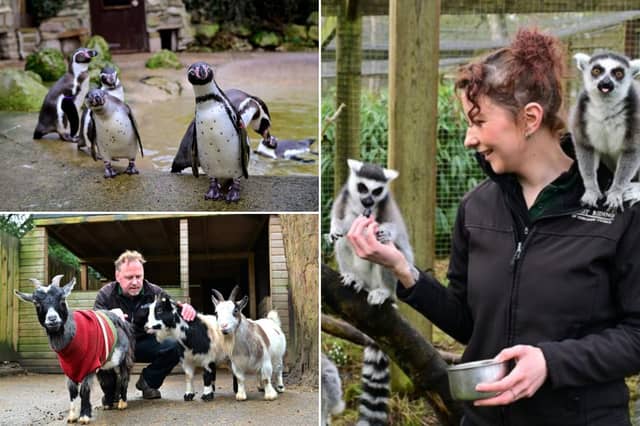

The difficult task meant that the Sewerby Zoo team spent days counting and re-counting the many different animals found at the attraction, including penguins, donkeys, lemurs and more.
John Pickering, Head Zoo Keeper at Sewerby Hall, said: “Here at Sewerby we have over 70 different species of animal and over 115 individuals. These numbers fluctuate throughout the year, so it is vitally important to perform an annual inventory to ensure that all the animals within the collection are accurately accounted for.
"It is particularly important to record the births and hatchings that have taken place throughout the year as Sewerby is home to a number of endangered species such as Ring-tailed lemurs and Baer’s pochard, some of which play vital roles within breeding programmes.
"Our colony of Humboldt penguins are notably the stars of the show and has seen its numbers increase in recent years with the successful hatchings of four chicks – Pickle, Crackle, Bumble and Pebble. As a result of this, we have an exciting new extension to their enclosure underway to accommodate the growing colony. Humboldt Penguins are classed as Vulnerable in the wild and are part of a European Endangered Breeding Programme (EEPs).
"Many breeding programmes are crucial in aiding the survival of species for years to come which is something we are passionate about being a part of at Sewerby.
“The information that we collect during the inventory can be shared with other institutions and conservation organisations such as the World Pheasant Association to provide an insight into the successes that have been achieved throughout the past year. It also allows us to identify if there have been any challenges faced collectively and possible ways to overcome these.
“Collecting the information and collating it together takes around a week, with the most difficult animals to count being the birds within the finch aviary and the waterfowl in the walkthrough aviary.
"The finch aviary is home to around 10 different species of finch, with around 50-60 individuals inhabiting the aviary. As you can imagine, it is extremely difficult to count all the finches at once as they are constantly flying around the aviary and going in the back.
“Our colony of Java Sparrows are classified as Endangered, and we have great success breeding them so it is vitally important that we can accurately account for changes within their population on a regular basis. In order to provide an accurate record, we count each individual species separately and perform a recount every day for a week.” Photographer Richard Ponter went along to see the count in action. Check out his incredible images here;
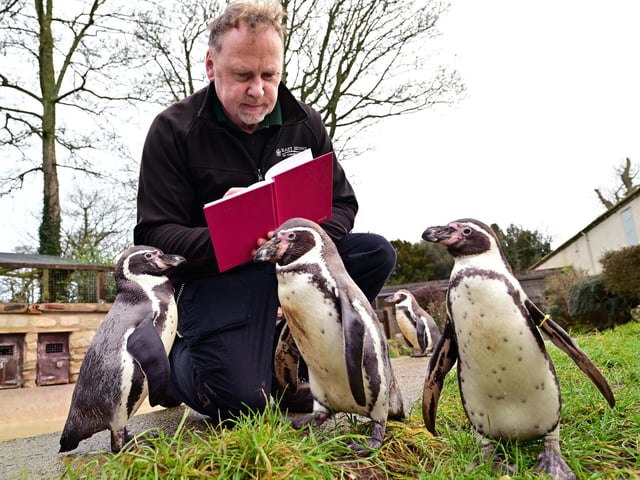
1. Sewerby Hall Zoo annual audit
Head Zoo Keeper John Pickering with the Humboldt Penguins. Photo: Richard Ponter
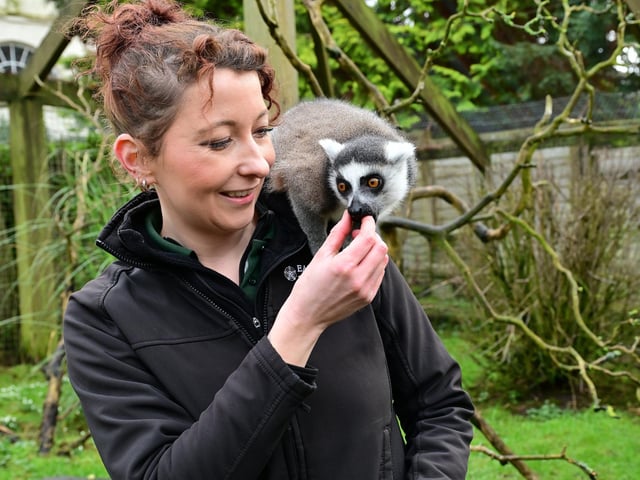
2. Sewerby Hall Zoo annual audit
Zoo Keeper Melissa Tate with a Lemur. Photo: Richard Ponter
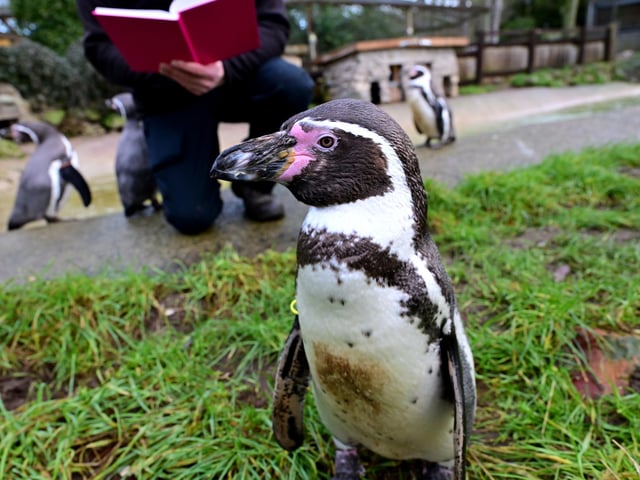
3. Sewerby Hall Zoo annual audit
Interested penguins wondering what the fuss is about! Photo: Richard Ponter
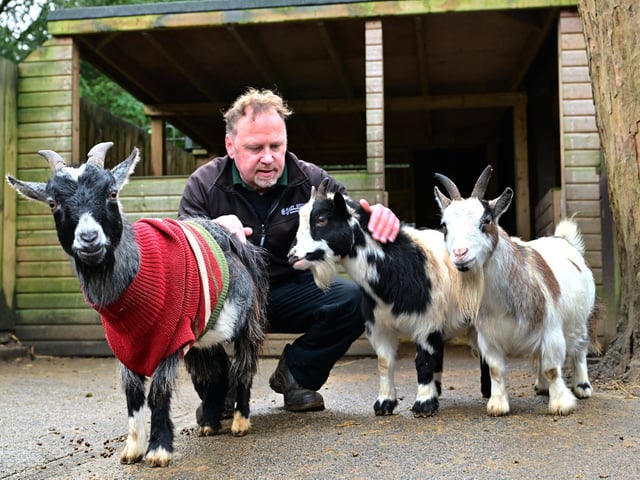
4. Sewerby Hall Zoo annual audit
Head Zoo Keeper John Pickering with the Pygmy Goats. Photo: Richard Ponter