
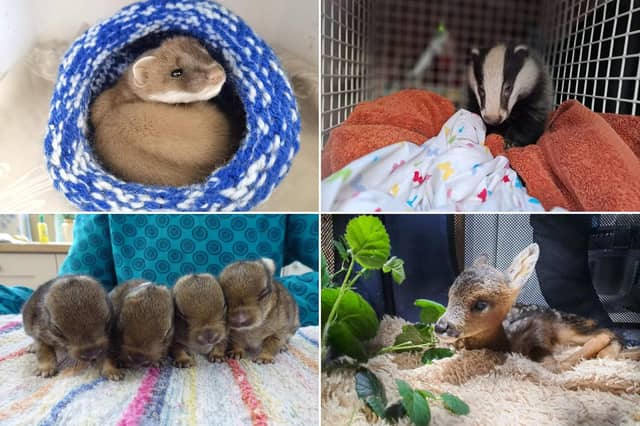

The advice discusses when to expect to see these babies, when to rescue and most importantly, when not to rescue.
The advice does not cover every species or every unique situation and birth and hatch times can vary.
It's a general overview that the sanctuary hopes can help.
Whitby Wildlife Sanctuary are a busy rescue service in Whitby. The charity helps save various animals up and down the Yorkshire coast.
You can donate to their cause here.
They can also be found on Facebook here.
9. Whitby Wildlife Sanctuary's wild baby animal advice
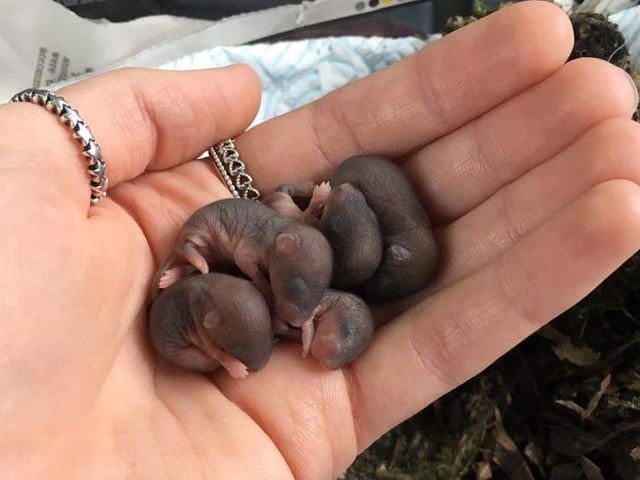
Whitby Wildlife Sanctuary say to expect baby mice (pups) from March onwards. They say a disturbed nest may not always mean an abandoned nest. Mothers may return and move her babies one at a time. Photo: Whitby Wildlife Sanctuary
10. Whitby Wildlife Sanctuary's wild baby animal advice
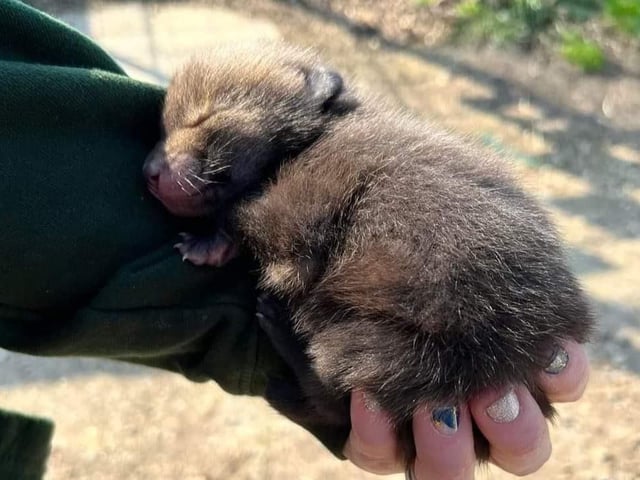
Whitby Wildlife Sanctuary say to expect fox cubs from March onwards. If you find a fox cub with its eyes still closed then it may need rescuing, but to monitor it before making the call as the mother may be moving her young. It is normal to see older cubs above ground, playing on their own as they wait for their mother to return./ Photo: Whitby Wildlife Sanctuary
11. Whitby Wildlife Sanctuary's wild baby animal advice
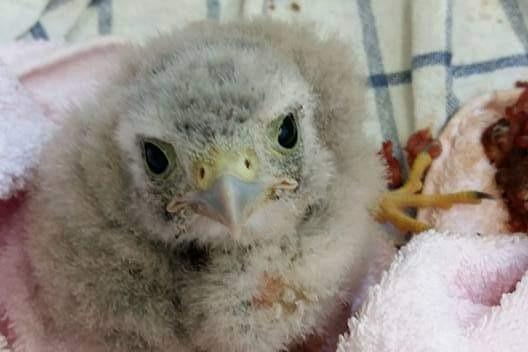
Whitby Wildlife Sanctuary say to expect Kestrel chicks from April onwards. If you see one at around the age pictured above and out of the nest, it may need help. If it has feathers and looks like it is learning to fly or hunt, it will need leaving alone unless it is in immediate danger (from cats, dogs, roads, etc) or is injured. Photo: Whitby Wildlife Sanctuary
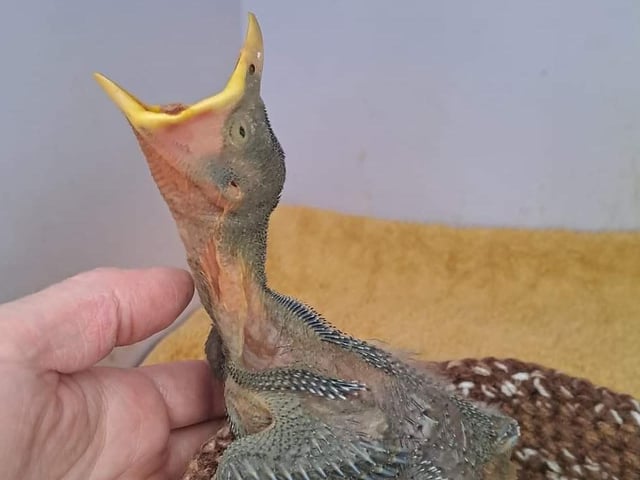
12. Whitby Wildlife Sanctuary's wild baby animal advice
Whitby Wildlife Sanctuary say to expect corvid chicks (magpies, crows, jackdaws, etc) from April onwards. When fully feathered, they can be monitored from a distance like a fledling garden bird, but if you see a grounded nestling as pictured above then they will need help. Photo: Whitby Wildlife Sanctuary