
People are being asked to contribute to the Missing Pieces Project, adding to the story of coastal places that hold a special place in their hearts and minds.
The map celebrates nearly 300 years of seaside history, from elegant Victorian piers to beloved 20th Century amusement parks, in seaside destinations that continue to welcome millions of visitors each year.
From piers and pavilions to beach huts and bandstands, lidos and lighthouses, the project celebrates the evolution of Britain's seaside resorts from health retreats for the Victorian wealthy to holiday destinations for everyone.
People across Yorkshire are encouraged to submit photographs, drawings, written information or audio recordings about coastal landmarks that hold personal significance – whether it's a childhood holiday destination or a local landmark that symbolises home.
Heritage Minister, Baroness Twycross said: "Our seaside communities play a huge role in telling our national story.
"I encourage everyone to contribute to the Missing Pieces Project to preserve the history of our coastal towns and breathe new life into their future."
Duncan Wilson, Chief Executive, Historic England, said: "Our seaside places hold a special place in our national story, yet the full richness of their heritage cannot be captured without the first-hand accounts, images and memories of those who've experienced them.
"I encourage people to contribute to the Missing Pieces Project, so we can all help ensure these treasured coastal landmarks are celebrated."
Historic England’s new interactive map shows the listed places that can be found around England’s coastline, including:
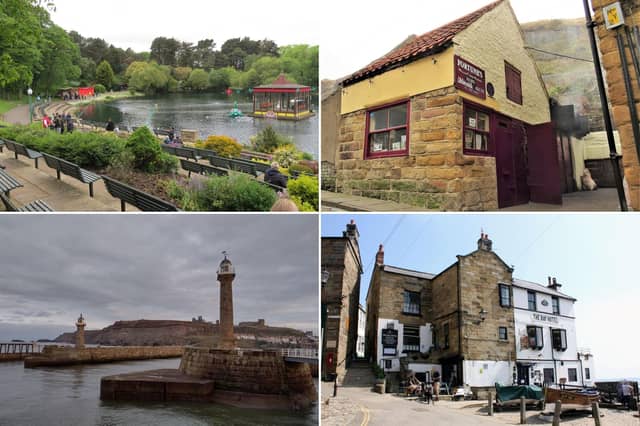
Peasholm Park, Scarborough, North Yorkshire (Grade II registered)
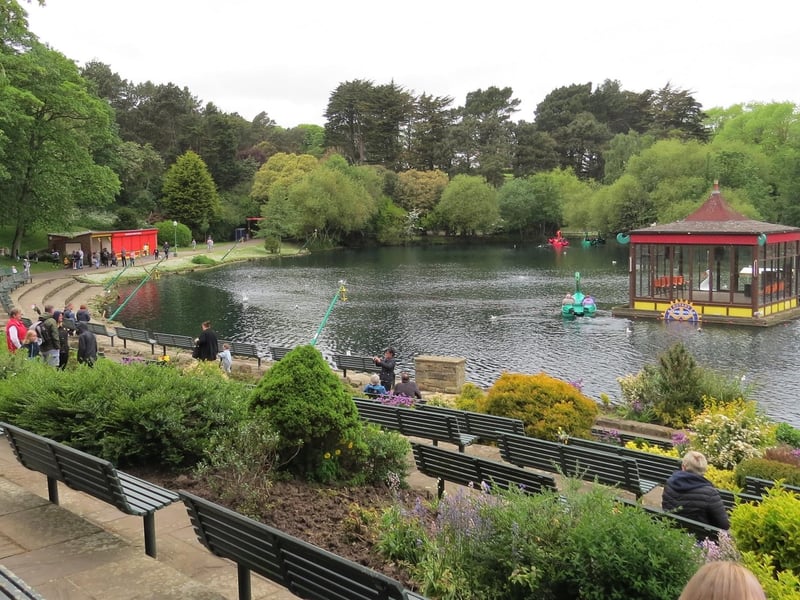
Situated in Scarborough’s North Bay, a few minutes from the beach, Peasholm Park was created as a public park in 1912 and extended in 1924.
Created in the fashionable Japanese style of the time, it features streams, waterfalls, tree-lined paths and miniature bridges.
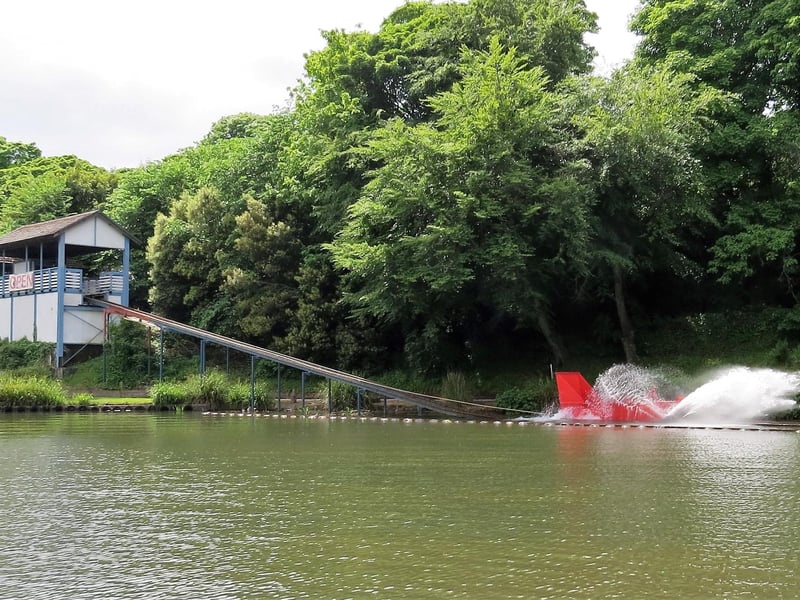
Restored in the early 21st Century, the park’s leisure activities include a boating lake and putting green.
Fortune’s Whitby Kippers, Henrietta Street, Whitby (Grade II listed)
Whitby’s only traditional smokehouse, Fortune’s Kippers was founded in 1872 by William Fortune.
The shop and smokehouse are still trading on the same premises some 150 years later.
The Fish Collection Box at Robin Hood’s Bay, North Yorkshire (Grade II listed)
The Fish Collection box was erected in 1887 and is possibly the oldest collecting box still in service for the RNLI.
West Pier Lighthouse and East Pier Lighthouse, Whitby (Grade II listed)
There have been piers protecting Whitby Harbour since the time of King Henry III.
The West Pier was completed in 1831, with an elegant 75ft-high lighthouse and grand promenade extending from the bridge.
The shorter East Pier was completed more than two decades later, in 1854, with a smaller, less ornate lighthouse.
The plans for the East pier were created by the famous mariner, and Whitby man, William Scoresby.
The stories of these historic seaside places won’t be complete until you share your memories and first-hand experiences of these gems.
Visit https://historicengland.org.uk/SeasideStories to do this. You can add photos, audio, text, drawings and more.
7. Coastal Magic of Yorkshire
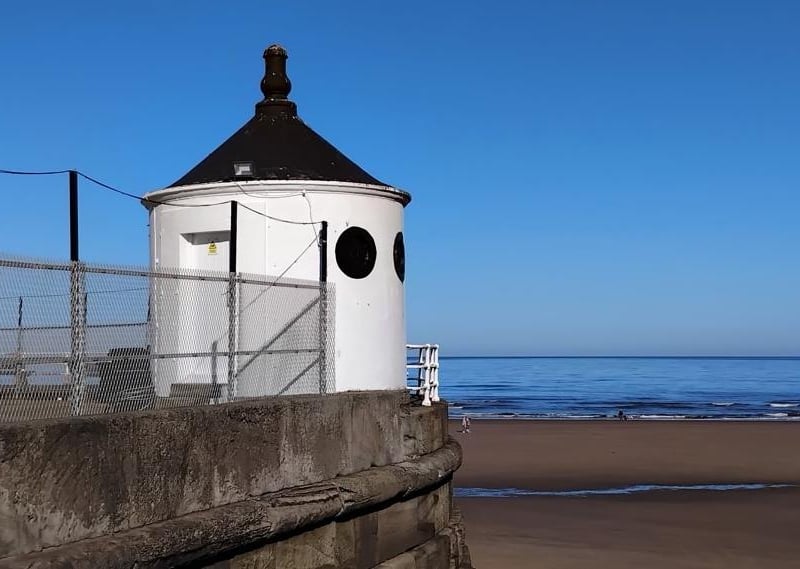
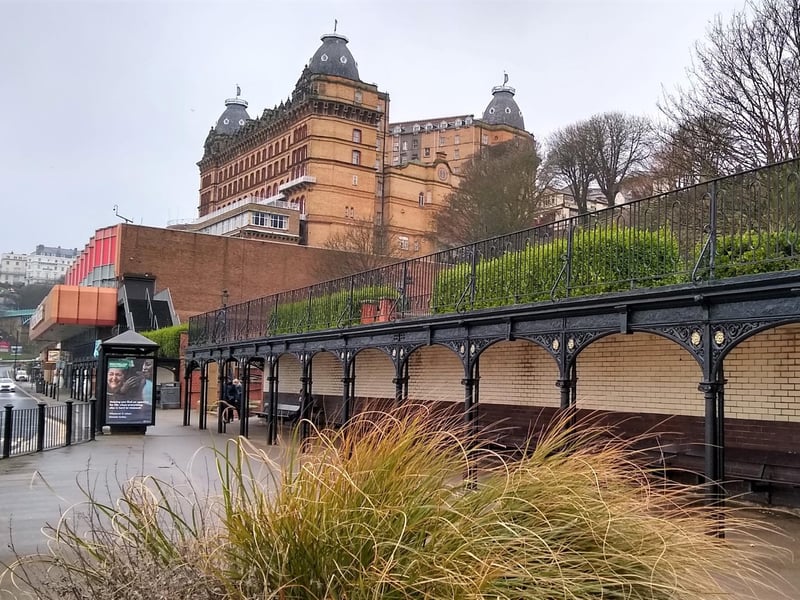
Seating shelter and viewing terrace to the front of St Nicholas Gardens, Scarborough. Photo: submitted