
Continued rise in 12-hour trolley waits at York and Scarborough NHS Trust
More than 900 people waited on trolleys for more than 12 hours at emergency departments at York and Scarborough trust hospitals, during the space of one month.
The number of 12-hour trolley waits at the York and Scarborough Teaching Hospitals NHS Foundation Trust has increased for a second month in a row.
Updated figures show that 930 patients had to wait on trolleys for more than 12 hours after attending emergency departments in January.
In December, there were 759 trolley waits that lasted longer than 12 hours, which was an increase of 453 from November.
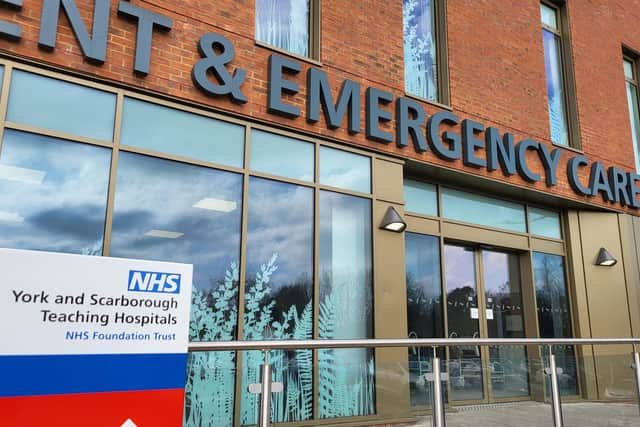

A spokesperson for the York and Scarborough Teaching Hospitals NHS Foundation Trust said that factors impacting flow through its hospitals included high demand, patients presenting with more complex needs, and delays in discharging people who are well enough to leave hospital.
“Like hospitals across the country, we are experiencing sustained pressure in our urgent and emergency care services, which can at times lead to an increase in longer trolley waits,” the spokesperson said.
They added: “We are sorry for the impact this has on patients and families.
“We are working closely with our health and care partners to improve patient flow, including supporting earlier discharge, making best use of available beds, and strengthening same-day emergency care.”
A year earlier, in January 2025, the number of people who experienced 12-hour trolley waits was 949, a decrease of 108 from the previous month.
A report presented to a recent board meeting of the NHS York and Scarborough Trust said that an increased use of escalation processes and rigour around implementing continuous flow “should see a reduction in 12-hour breaches” in coming months.
The trust spokesperson told the Local Democracy Reporting Service (LDRS) that a multi-agency discharge event had been held with the trust’s system partners to “understand innovative opportunities to further improve processes and reduce delays in all parts of discharge planning and delivery”.
The spokesperson added: “While performance can fluctuate depending on demand, we remain focused on reducing long waits and ensuring patients receive safe, timely care.
“People can help to reduce the demand on our services by only attending our emergency departments in life-threatening emergencies. If you are unsure of the best place to access advice or treatment, contact NHS 111, who will guide you to the right service for your needs.”