
The Great British Litter Survey: Tackling the UK’s growing litter crisis
According to figures from the RSPCA, they received almost 13,000 reports about animals found severely injured, trapped, mutilated, choked or even dead from carelessly discarded litter over the past four years.
For local authorities, the cleanup operation is a mammoth undertaking, with littering costing councils in England more than £800 million in 2023. This money could otherwise have been spent on improving the public services and facilities. The scourge of rubbish on Britain’s streets is a nationwide crisis, and with the vast majority of offenders going completely unpunished, it is a problem that shows no signs of abating.
Survey highlights grave concerns
This is why Clean Up Britain, a leading anti-litter and fly-tipping organisation, recently carried out a survey of over 1,200 people across the UK, in partnership with nationwide retailer Pets Corner. They organise this in order to understand how littering blights the lives of people and animals. The findings of the survey highlight the urgent concerns that people have about litter.
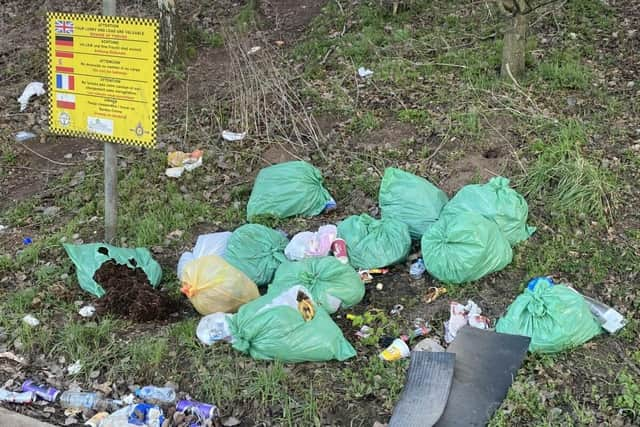

For example, an overwhelming 88% of respondents expressed their pressing concern about the detrimental impact that littering has on pets and wildlife.
The survey also found that 85% of people have noticed a rise in litter within their local area, suggesting the extent to which public cleanliness has declined in recent years, and that the risk of animals ingesting waste may have increased significantly.
More shockingly it revealed numerous reports of pets being harmed by litter, leading to vet visits and, in some cases, severe health issues. The most common incidents involved pets ingesting plastic or being cut by sharp objects, displaying the ease with which animals can be harmed by refuse.
Despite the survey suggesting a strong level of public understanding about the dangers of litter to wildlife and pets, respondents emphasised the urgent need to raise awareness about the harmful effects that littering has on animals. For example, many felt that educational initiatives – particularly those targeted at younger generations – would play a pivotal role in creating long-term behavioural change, and reduce the amount of litter on our streets over time.
Laying waste to Britain’s littering culture
While the extent of the UK’s litter crisis is clear for us all to see – and seemingly worsening all the time – it is clear how many people across the country care about tackling the problem, and are aware of the threats that litter poses to animals. This is, of course, hugely encouraging, but it’s evident that much more must be done if we are to turn the tide on the crisis.
Visit https://cleanupbritain.org/ to find out more.