
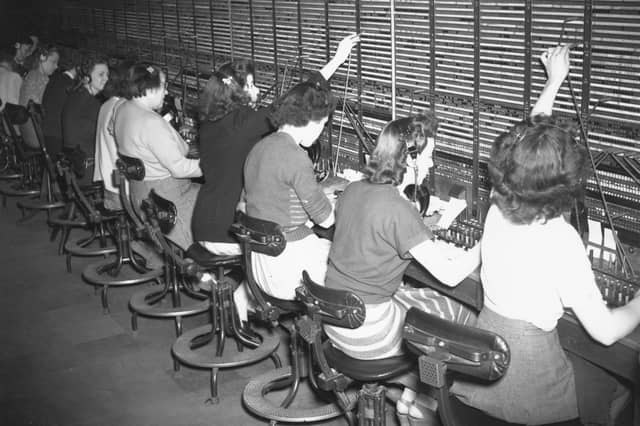


But these jobs have been largely lost to technology, and in some cases changing habits, long before AI threatened to take our livelihoods.
It might be hard for younger generations to believe these crucial roles were once performed by humans, before they became widely automated.
Some required great expertise, built up over the years, while more basic skills were needed for others, but all these workers made a vital contribution to society.
These roles were performed by humans as recently as the 60s, 70s, 80s, 90s and noughties.
In many cases, the professions have not died out completely, but the numbers employed in them have fallen dramatically, and those remaining do so largely in very specialist or ceremonial roles.
Did you, your parents or anyone you know use to have one of these jobs, or are you one of the few people left in the profession?
If you enjoyed this article, you might like this one looking at words and phrases that are at risk of dying out.
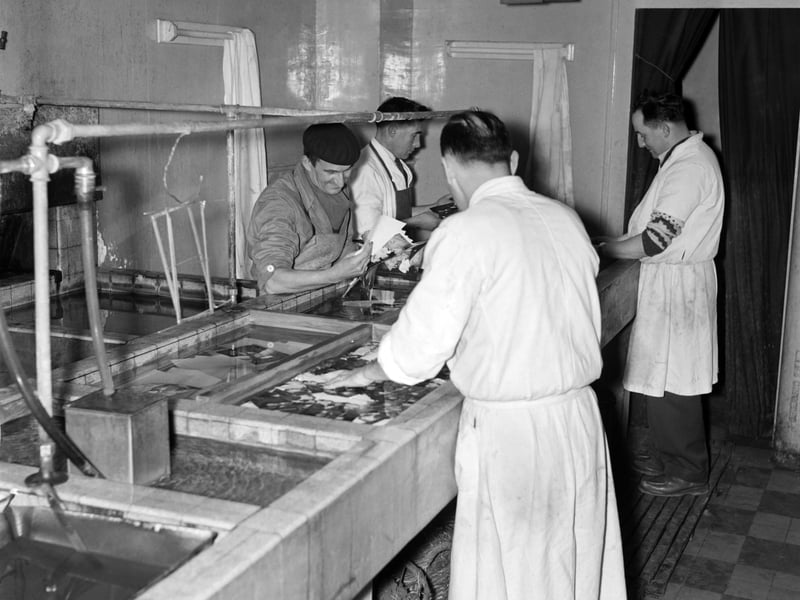
13. Photographic processors
Before the days of digital cameras, you had to get your film developed by a photographic processor, unless you had your own darkroom. They still exist, largely in specialised roles, but not in anything like the numbers they once did. | AFP via Getty Images
.jpeg?trim=0,158,0,172&crop=&width=800)
14. VHS repair people
Most households had VHS machines in the 80s and 90s, before DVDs and then streaming came along. When those machines went wrong, as they invariably did, that meant a call to the VHS repair person. TV repair people were also commonly called upon before cheaper and increasingly complex TVs led to a more throwaway culture. | United Archives via Getty Images
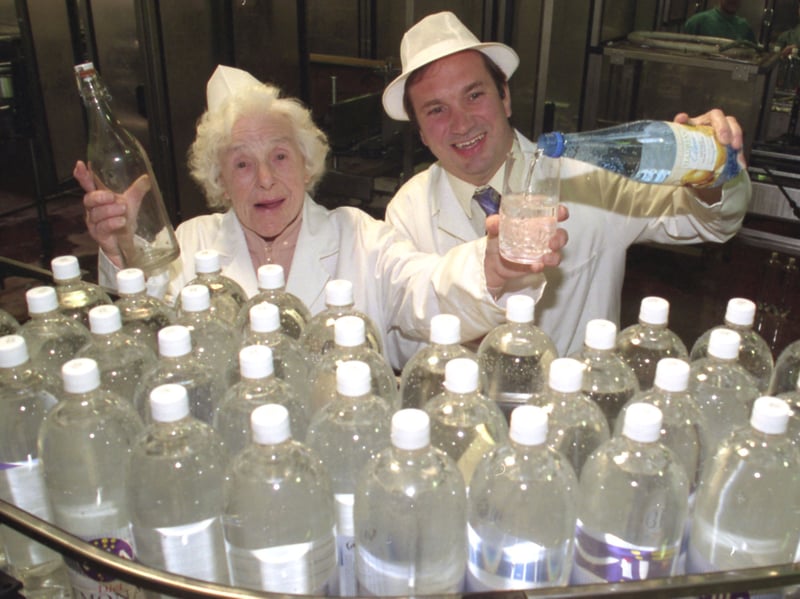
15. Pop men
If you're of a certain age, you'll probably remember eagerly awaiting the appearance of the 'pop man', who would travel from street to street delivering fizzy drinks for companies including Corona and Alpine. The drinks came in glass bottles, which you got money back for returning. Pop men remained a common sight on the UK's streets until the 80s, by when most people bought their fizzy drinks from the supermarket. | National World
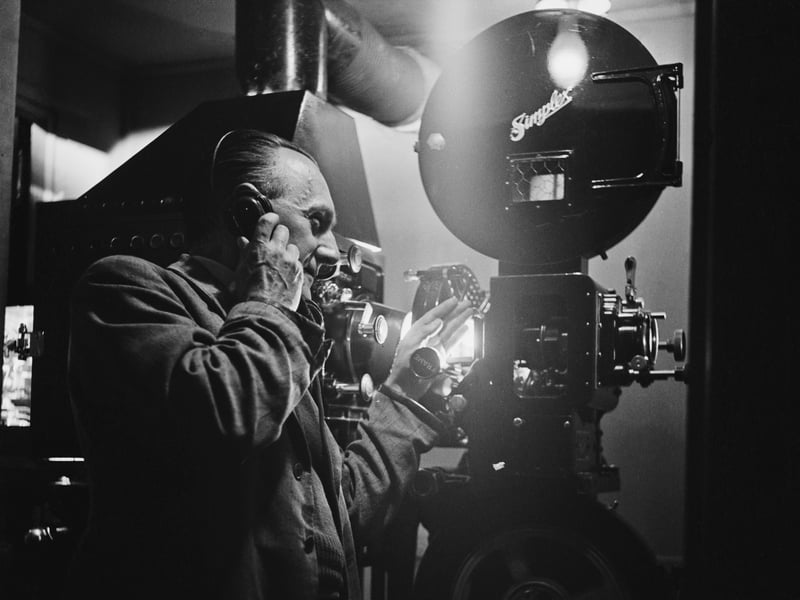
16. Cinema projectionists
The magic of cinema relied for many years on the skill of projectionists. But the switch from 35mm film to digital projectors in the late noughties to early 2010s meant they were no longer needed, at least not in such large numbers. | Getty Images Photo: George Konig/Keystone Features/Hulton Archive