
7 crazes you'll remember if you were around in the 70s, including one which made criminals of us all

There were some things it was hard to avoid in the 70s
- The 70s were a time of great change in the UK
- Many new pursuits, gadgets and fashions really took off back then
- How many of these crazes had you hooked?
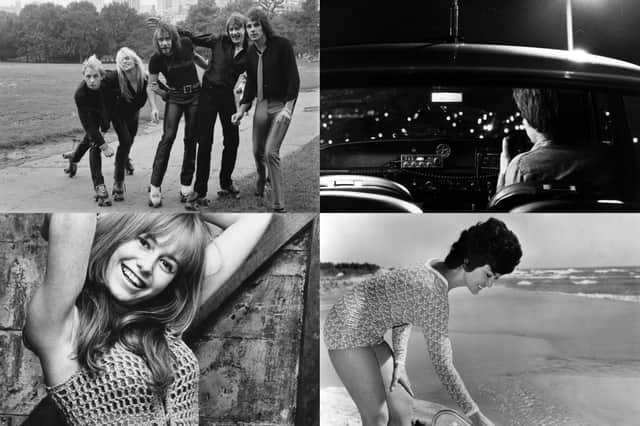

If you were around in the 70s, there were some things it was almost impossible to avoid.
Many crazes, from gimmicky toys to fashion must-haves, burned brightly but briefly during the decade.
If you were around then, you’ll almost certainly remember these crazes and may well have been hooked yourself.
Macramé
Macramé and crochet were particularly popular in the 70s, as many people rediscovered traditional skills.
It was championed by hippies, who loved its simplicity.
The craze for macramé saw it used to make everything from plant hangers and lampshades to clothes and jewellery.
Pet Rocks
This is surely one of the greatest marketing tricks in history - turning an ordinary rock into a must-have gift.
The advertising executive Gary Dahl came up with the idea for the Pet Rock in 1975.
It was a pet that required no looking after and even came with its own carrier - a cardboard box with ventilation holes and straw bedding.
Pet Rocks were one of the biggest sellers at Christmas 1975, and 1.5 million were sold within a few months.
The fad didn’t last for long, but Pet Rocks have recently enjoyed a resurgence in South Korea, with some leading K-pop groups among their fans.
Roller skating
Roller skating was one of the biggest phenomena during the 70s, with people of all ages strapping on their skates and giving it a go.
Cher was reportedly among the sport’s many fanatics, and her disco-infused track Hell on Wheels helped fuel the boom, as did a slew of roller skating movies.
Roller discos were particularly popular. They were a chance to show off your moves while flaunting some fantastic 70s threads.
CB radio
This is a rare example of something becoming less popular after it was legalised.
CB (short for citizens band) radio was a short-distance radio communications system, a bit like a walkie-talkie with a longer range.
It was first introduced in the UK in the 1960s but really caught on in the late 70s.
It made lawbreakers of many otherwise respectable citizens, as it was not legalised in the UK until 1981, after its popularity had peaked.
Its use in the film Convoy and a number of novelty hit songs helped fuel the huge demand.
CB radios were among the best-selling Christmas gifts in 1981, shortly after they became legal, but their popularity quickly dwindled.
Glitter balls
Disco swept the globe in the 70s, with the Bee Gees, Earth, Wind & Fire and Boney M. among the bands enjoying huge chart success.
The hit 1977 movie Saturday Night Fever, which turned John Travolta into a huge star, also contributed to the genre’s popularity.
Disco may have had its detractors, but it was hard to stop yourself dancing to the infectious beat of songs like Stayin’ Alive.
The glitter ball became synonymous with disco, so much so that many people wanted one in their own homes to ensure the party never stopped.
Mood rings
This was the must-have accessory of the 70s.
Mood rings changed colour according to your body temperature and came with a chart indicating which colour meant you were happy, calm, stressed or even in the mood for romance.
When they first hit the market in 1975, they seemed like magic, and they proved particularly popular with teenagers.
Like many things from the 70s, they have enjoyed a bit of a comeback, with many children of the 70s digging out their old mood rings from the attic to see if they still ‘work’.
Metal detecting
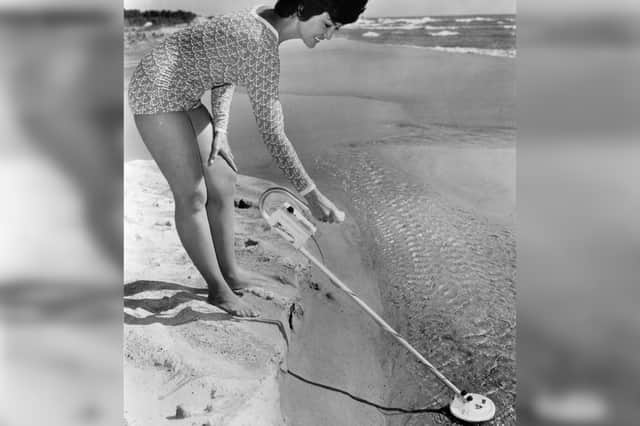
Metal detectors had been around since the mid-1800s, but it was in the 60s and 70s that technological advances made them much more accessible to amateur enthusiasts.
Metal detecting surged in popularity following the discovery of the Chew Valley hoard - a collection of more than 2,500 Norman coins found by a group of metal detectorists in Somerset.
The hoard was recently valued at £4.3 million, making it the most valuable find in history by metal detectorists.
Metal detecting remains a popular hobby in the UK today, but it is nowhere near as widespread as during its 70s peak.
Did this article bring back some happy memories for you? If so, you might like this nostalgic look at how we spent our leisure time in the 70s and 80s.