
You didn't grow up in the 60s if you don't remember doing any of these 11 things

Life was very different back then
- If you grew up in the 60s, there are some things you almost certainly experienced
- From food to fashion, these are the trends that defined the decade for young people
- How many do you remember doing?


The 60s are often painted as the decade of free love, when bold fashions, the thrill of Beatlemania and the arrival of the pill helped us all loosen up.
In reality, of course, it was very different depending on where in the UK you lived and how much money you had.
While some enjoyed new luxuries, outdoor loos, tin baths and waking up to find ice on the inside of your windows remained a daily reality for many people.
There were some things, however, that almost anyone growing up in the 60s got to experience, for better or worse.
How many of these do you remember doing?
Dancing the twist
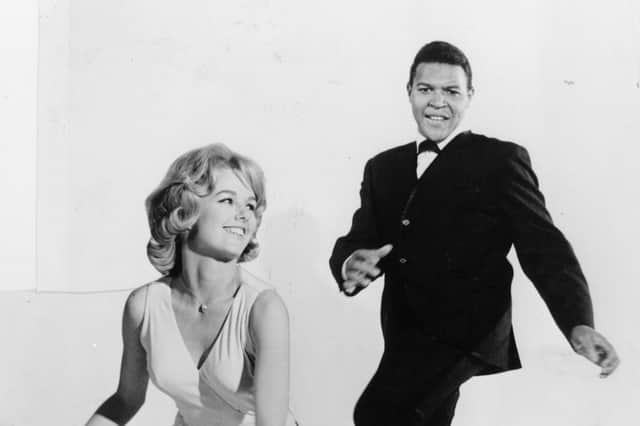
Every decade has its viral dance craze, and in the early 60s that was the twist.
It was inspired by Chubby Checker’s hit 1960 song The Twist, which proved so popular he released an even more successful follow-up, Let’s Twist Again, in 1962.
The Beatles famously got in on the act the following year, urging listeners to Twist and Shout.
If you’re a baby boomer whose knees are now playing up, those infectious hits could be the source of your woes.
Playing with Sindy or Action Man
.jpeg?trim=0,0,1851,0&crop=&width=640&quality=65)
Sindy was the UK's answer to the hugely popular Barbie doll, and she sold in huge numbers during the 60s. But while Barbie’s popularity endured, Sindy’s sadly faded.
Action Man, meanwhile, was the British equivalent of G.I. Joe. Two of his most famous features, his flock hair and his swivel ‘Eagle’ eyes, were only added in the 70s, but the original action figures still provided hours of entertainment.
Reading Bunty or The Beano

The Beano and Bunty were two of the most popular comics of the 60s.
Minnie the Minx, Roger the Dodger and, of course, Dennis the Menace were among the most popular characters in The Beano, but do you remember the short-lived Wonder Boy, or Punch and Jimmy from the 60s?
As well as its titular heroine, with her friends Haya and Payal, Bunty’s characters included The Four Marys and Moira Kent.
Awaiting a visit from the soda man

One of the most exciting things to look forward to in the 60s was a visit from the soda man, who would deliver fizzy drinks to your street.
Corona was one of the most popular drinks of the day, delivered door-to-door in a distinctive bright yellow vehicle.
Corona came in many vivid shades, with flavours including cream soda, cherryade and dandelion & burdock.
Once you’d finished your drink, you could return the glass bottle and get a penny to spend on sweets to keep the sugar rush going.
Soda men became a less common sight in the 70s, amid growing competition from supermarkets.
Having surreal Magic Roundabout-inspired dreams
If Google didn’t exist, you could be forgiven for thinking The Magic Roundabout was just a trippy dream.
At a time when children’s TV still tended to be quite staid and conservative, this animated show well and truly broke the mould.
It featured a grumpy, sugar-loving dog called Dougal, a magical jack-in-the-box named Zebedee, Brian the snail, Ermintrude the cow, and a hippy rabbit named after Bob Dylan, who inhabited a fantasy world centred around a fairground carousel.
Given the programme’s surreal style, it’s perhaps unsurprising that some people assumed it was about drugs.
Based on the French show Le Manège enchanté, it proved incredibly popular, gaining an audience of 8 million viewers at its peak.
Checking out the latest hits in a listening booth
.jpeg?trim=0,0,1658,0&crop=&width=640&quality=65)
The 60s were a thrilling time for music fans, and if you wanted to check out the latest releases, the listening booth at your local record shop was the perfect place to do that.
The soundproofed booths let you escape into another world while discovering the freshest sounds.
Enjoying a Wimpy burger
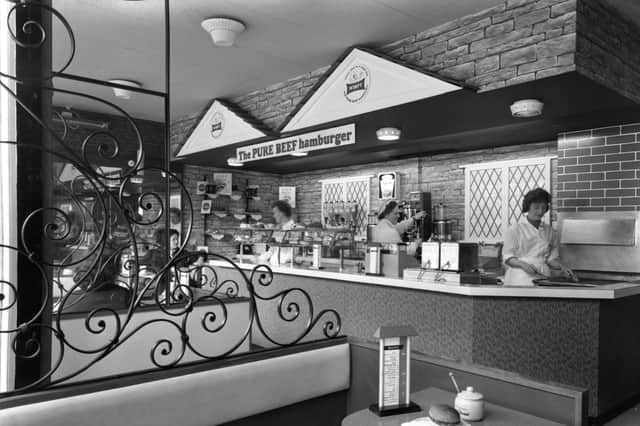
Before McDonald’s came along, Wimpy had cornered the fast food market, bringing a taste of America to the UK.
The burger chain had hundreds of restaurants around the UK at its peak, with popular options including the Wimpy Special Grill and the Shanty Brunch.
Shivering in a miniskirt
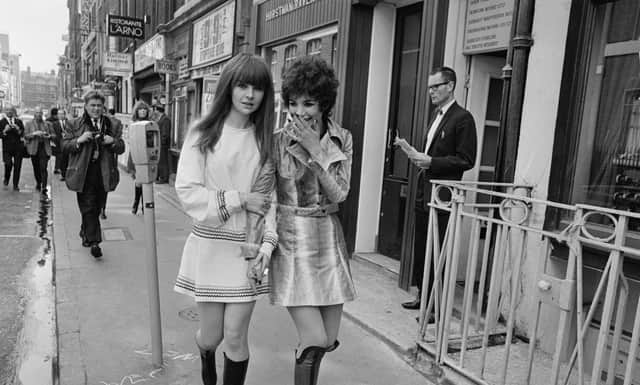
The miniskirt was the iconic fashion statement of the 60s, a decade which was not short on style.
Mary Quant, the designer credited with popularising the miniskirt, has described it as the most “self-indulgent, optimistic 'look at me, isn't life wonderful' fashion ever devised”.
Rising hemlines characterised the 60s and have been described as an expression of women’s liberation.
But they didn’t provide the warmth required in the unforgiving UK climate, leaving many women suffering in the name of fashion.
If miniskirts were the defining female fashion of the 60s, paisley shirts and loud, patterned ties were perhaps the look of the decade for the opposite sex, as men threw off the sartorial shackles and expressed themselves.
Devouring a pack of catherine wheels
We’re talking about the sweets here, not the fireworks.
Catherine wheels consisted of a strip of liquorice wrapped around a bobbly, coloured jelly button.
The confectionery giant Barratt no longer makes catherine wheel sweets, but you can get the constituent parts: jelly spogs, also found in packs of Liquorice Allsorts, and liquorice wheels.
Other popular sweets you may remember from the 60s include rhubarb-and-custards, and aniseed balls.
Encountering the dreaded nit nurse
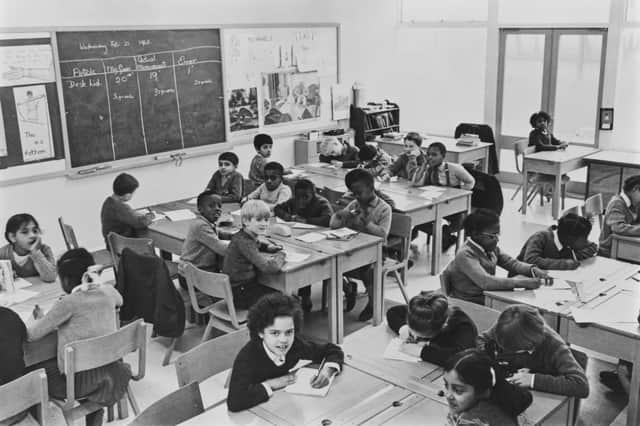
Back in the 60s, most schools had a nit nurse. They were probably perfectly friendly, but they struck fear into the hearts of most pupils.
That’s because they would comb your hair in front of the other pupils and any children found with nits would be given a letter to take home to their parents and some head lice treatment.
Nit nurses were often nicknamed Nitty Nora by schoolchildren, who dreaded being the one found with head lice on their scalp.
Tucking into a jam roly poly with custard
School dinners in the 60s were a real carb-fest, especially when it came to pudding.
One of the most popular sweet treats was jam roly poly, usually served drowning in custard.
Spotted dick, treacle pudding and rice pudding were also often found on the menu back then.
If you’re hungry for more 60s nostalgia, you might like this look back at six ways in which life back then really was better than it is today.