
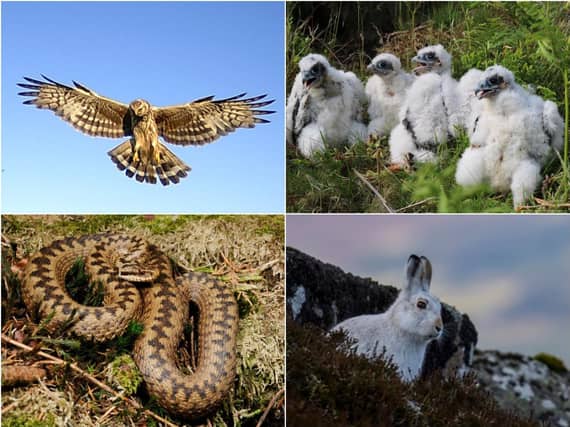

We're so lucky on the Yorkshire Coast that we don't need to travel far to see some extraordinary and beautiful wildlife. The Moorland Association have shared their top tips for where to spot rare moorland species in England, all of the creatures mentioned in this list can be spotted in the North York Moors National Park if you're lucky, apart from the mountain hare and black grouse. When walking in the habitat of ground nesting birds it is recommended you stick to footpaths and keep dogs on leads. Amanda Anderson, a director of the Moorland Association said: “March 1 to July 31 is the official breeding season for ground-nesting birds and our beautiful moors across the north of England are home to these and an array of other amazing species, many of which are in sharp decline elsewhere. The bird of prey population now exceeds 250,000 adult birds in the UK for the first time in decades, another hugely encouraging sign of our improving biodiversity."
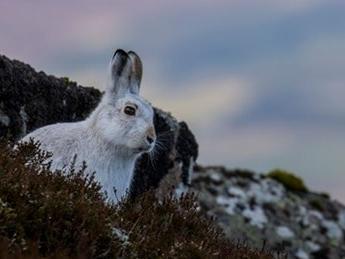
9. Mountain Hare
The Peak District is the only place in England where the mountain hare can be found. Distinct from the common brown hare, it has population of about 2500 here. It is native to the Scottish Highlands but was introduced to the Peak District where they survive on grouse moors due to predator control and good quality heather, which they eat. Climate change may threaten this unique English population because it is adapted to the highest cold mountains. Their winter coat provides good camouflage in the snow, turning white with a hint of blue/grey in the summer to blend with their moorland habitat. They also have shorter ears than brown hares and an all-white tail. They will move downhill to look for food in periods of heavy snowfall. Photo: The Moorland Association
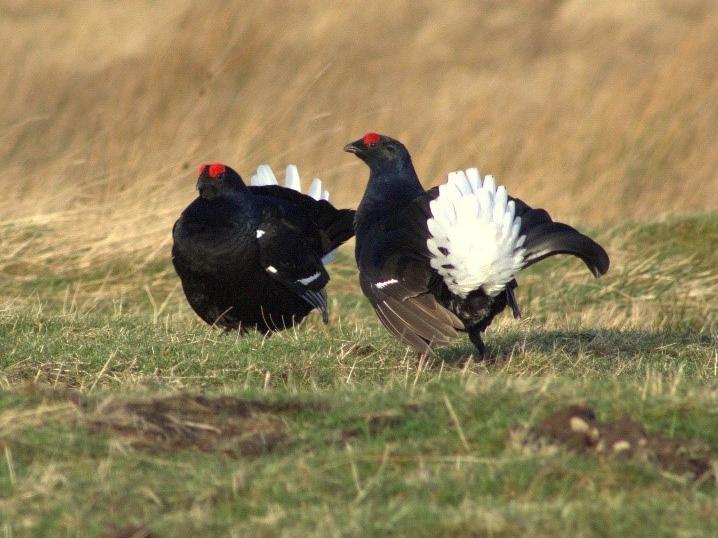
10. Black Grouse
Black grouse are rare with only around 1,000 males left in England. Once found in every county they are now only found on the fringes of heather moors actively managed for their smaller brown cousins, the wild red grouse. The large black males compete in an extravagant display of dawn dancing called ‘lekking’ flashing their brilliant white tail feathers in an attempt to attract a mate. The closest known black grouse to Scarborough are in the Yorkshire Dales National Park. Photo: The Moorland Association