
Vintage Views with Aled Jones: Resort became a very dangerous place
The outbreak of war on August 4, 1914 abruptly ended the summer holiday season at Bridlington.
It is often idealised as the “last summer,” with guests enjoying our coastline right up until the declaration itself.
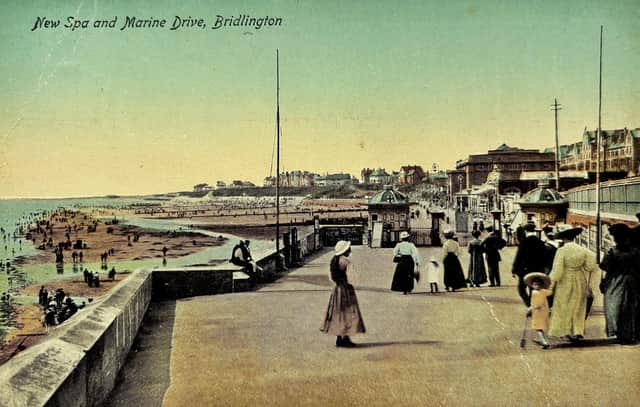

Sadly visitors were forced to return home early as beaches became training grounds and men in uniform appeared.
Even worse, the coastal waters were mined and gunboats seen among the fishing cobles.
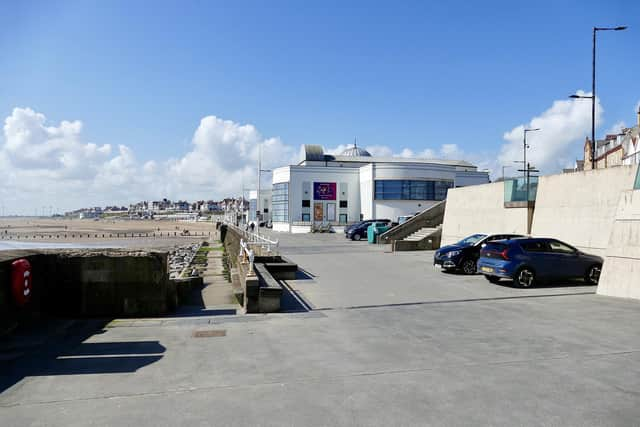
The resort had suddenly became a very dangerous place to be. Indeed, nearby Scarborough was bombarded by 500 enemy shells on 16 December 1914.
Wartime measures soon eliminated travel to the seaside, as seen by the prohibition of charabanc (early coach) pleasure trips and hugely restricted rail travel.
An article in the Yorkshire Weekly Post (September 1915) described Bridlington “as a town strangely deserted… where it was usual to see thousands, there were only hundreds.”
However, even with a massive drop in audiences, the Spa remained open for business throughout the Great War, offering a full programme.
The hoardings in the 1914 postcard advertise that Herr Julian Kandt and his “Famous Band” will play twice daily.
Despite the anti-German riots, Austrian-born Kandt remained a resident musician at the Spa until illness stopped him performing in 1917.
August 1914 saw the writer of this postcard enjoying “grand weather and good lodgings”, but she did so knowing that she was encountering a dark shadow cast over the land.
Postmarked August 7, the message on the back continues: “We have seen a lot of gunboats and warships from here. Isn’t the War terrible. I hope it will soon be over.”
Summer 1914 is historically regarded as unusually hot, sun-drenched, and marked by a “golden” atmosphere. What a shame it degenerated into “the war to end all wars”.
WW1 acted as a violent catalyst that destroyed the Edwardian era’s optimism, high culture, and strong moral compass, the point when people lost faith in tradition and embraced nihilism and modernity.