
EE responds after MP warns of 999 call risk at Goathland, near Whitby
EE has challenged concerns raised in Parliament that residents in the village made famous by TV drama series Heartbeat could be left unable to contact emergency services during power cuts.
Last week, Alison Hume, MP for Scarborough and Whitby, told the House of Commons that residents in Goathland could be unable to make 999 calls during outages because a local mobile phone mast does not have battery back-up.
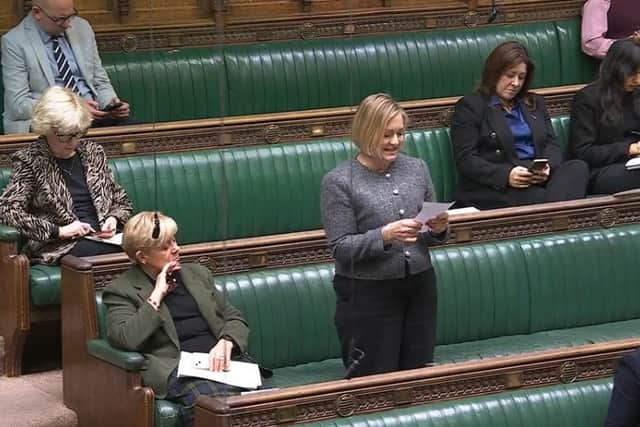

The Labour MP said: “The TV drama Heartbeat, featuring a policeman based in 1960s Aidensfield delighted millions of viewers, so it is slightly ironic that, in 2026, residents in the real village, Goathland, cannot make emergency calls during power cuts, as their mobile phone mast has no battery.”
She added that mobile network provider EE had told her it had no plans to install a backup battery at the site.
However, responding to questions from the Local Democracy Reporting Service (LDRS), EE said emergency calls would not necessarily fail if its own network was affected.
A spokesperson said: “We understand how important it is for rural communities to stay connected, particularly in an emergency.
“999 calls automatically roam onto any available mobile network, and EE continues to invest significantly in strengthening the resilience and coverage of its network across rural communities.”
The company said emergency calls can connect through another operator’s network if at least one mobile network remains operational during a power outage.
EE also pointed to improvements delivered through the Government-backed Shared Rural Network programme, saying it had upgraded or built nearly 2,000 mobile sites serving remote communities across the UK in recent years.
According to the company, that included improvements at 40 sites across North Yorkshire and the North York Moors.
The operator said it was continuing to improve network resilience through measures including:
- building additional mobile sites to provide overlapping coverage;
- maintaining 24-hour emergency response teams;
- deploying satellite technology at remote sites;
- and working with energy providers to restore communications following storms and power outages.
EE also argued that backup power at every mobile mast would be extremely expensive.
The company pointed to estimates from Ofcom suggesting that providing just one hour of backup power across all UK mobile networks could cost up to £1.8bn.
Instead, EE said improving resilience required cooperation between telecoms providers, energy companies, regulators and government.