
RSPB 'shocked' as five more seabirds join Bempton Cliffs' beloved Puffins on red endangered list
The RSPB has called for urgent action after five more seabird species were added to the UK red endangered list.
The charity, which runs RSPB Bempton Cliffs, home to the UK's largest mainland seabird colony, wants robust strategies that can ‘deliver rapid protection’ for the UK's populations.
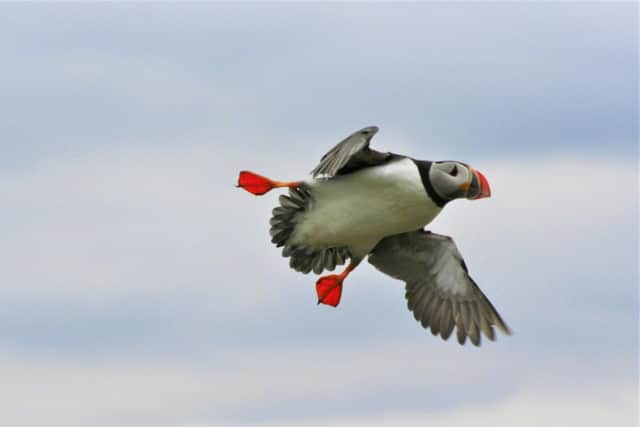

Scientists reviewing the conservation status of the UK’s breeding seabird populations have revealed that five species have been added to the Red list of greatest conservation concern.
A study published in the journal British Birds sees the addition of Leach’s storm-petrel, common gull, great black-backed gull, arctic tern and great skua to this unenviable list. They join kittiwake, herring gull, roseate tern, arctic skua and puffin – a particular favourite of visitors to the Bempton reserve.
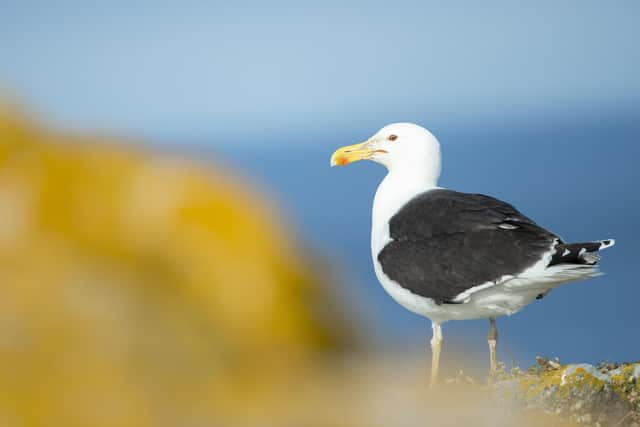
It’s not all bad news as shag moves from the red to the amber list, and black guillemot joins cormorant on the Green list.
This latest assessment uses data collected during the last national seabird census, Seabirds Count, which was published in November 2023, supplemented with data from the BTO/JNCC Seabird Monitoring Programme.
A recent survey led by RSPB to investigate the impacts of bird flu was also a critical part of the evidence for some species.
Katie-jo Luxton, global conservation director for the RSPB, said: “This latest health check on our seabird populations reveals devastating declines in the overall status of the UK’s breeding seabirds.
"As an island nation it is perhaps not surprising that we are globally important for seabird populations but what has really shocked us is the sheer number of our seabird species now on the Red list.
"We need urgent action from our governments to address this dire situation to tackle the drivers of these declines and enable recovery.
"We are calling for robust and resourced Seabird Conservation Strategies that can deliver rapid protection of seabird breeding islands from invasive predators, improvements in the marine protected areas network for seabirds, better spatial planning of marine developments to avoid important areas, better fisheries management to ensure there are sufficient prey species and new measures on boats that tackle the bycatch of seabirds in fishing gear.”
David Noble, principal ecologist at the BTO, said: “Seabirds are an iconic part of nature along our coastlines, whether foraging on beaches and rocky shores, patrolling urban seafronts or breeding in spectacular colonies on cliffs.
"The multiple pressures that they face from reductions in food sources caused by climate change and over-fishing, from invasive nest predators on islands and avian flu have resulted in some significant changes in numbers.
"Continued monitoring, by volunteers as well as professionals, is essential to provide timely evidence of the impact of these and other threats, and to assess the effectiveness of any conservation actions.”