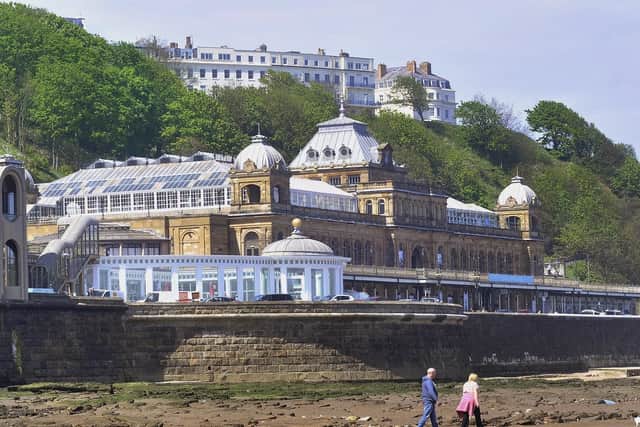
Scarborough skyline has many points on interest and here we look at its spires, turrets and towers.
There are the turrets of the Grand and the Spa plus church towers and spires - a minaret-like amusement arcade in South Bay and not to mention the pyramids of the Sea Life Centre. IN PICTURES: Our coasts myths and legends here
This is Scarborough Sea Life Centre attraction in North Bay.
New for 2019 is Turtle Rescue
Visit the rescue centre and learn all about how to save incredible turtles.
Learn how to rescue, rehabilitate and release turtles in our brand new interactive experience, Turtle Rescue.
Turtle Rescue lets guests of all ages develop a deeper understanding of turtle conservation and the amazing work that goes into protecting this incredible species!
At the Rescue Centre you will pick up your very own interactive turtle who needs your help! You'll need to go through a sequence of rehabilitation before your turtle is fit for release.
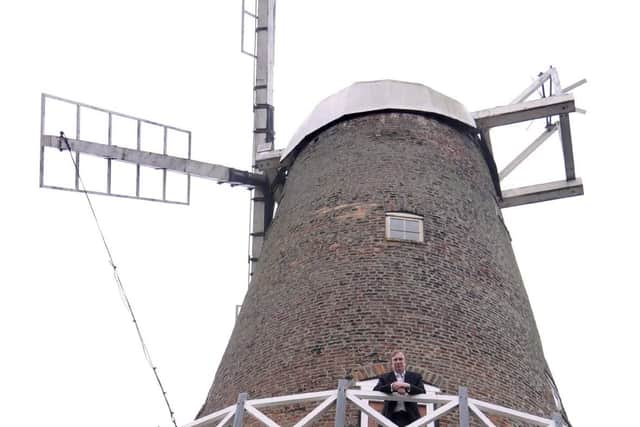
This 18th Century, Grade II, listed Windmill is located minutes from the centre of Scarborough. It is now a hotel.
Restored and renovated over a number of years, the Windmill has a variety of nine ensuite courtyard rooms including king-size four poster beds. There are also two suites in the Windmill tower; the lower suite for a family and the balcony suite for couples with a head for heights.
The site has had a windmill in situ for around 400 years and the present structure dates from 1794 when Thomas Robinson was given the authority to build a new mill.
The mill stopped grinding corn in 1927 and although over the years was used as a bakery and then for storage, the property gradually fell into disrepair.
Saved from a developer who wanted to knock it down for a block of flats in 1985, it was renovated and turned into a bed and breakfast / self catering property.
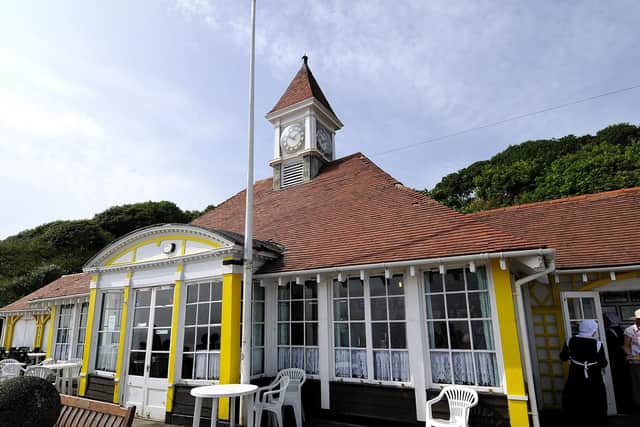
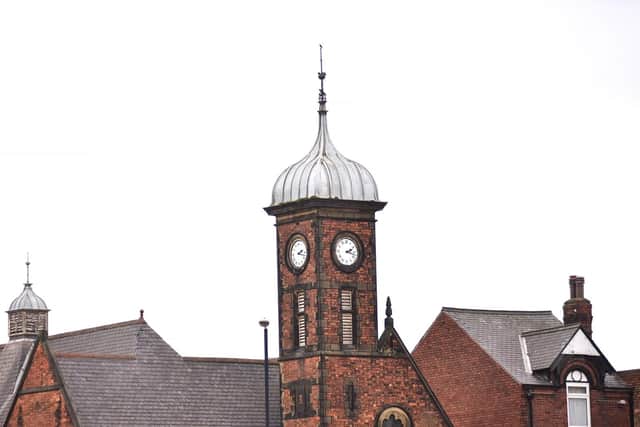
The Clocktower Cafe in South Bay,
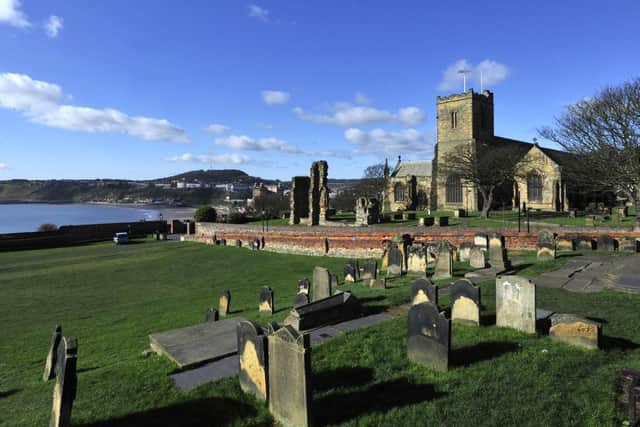
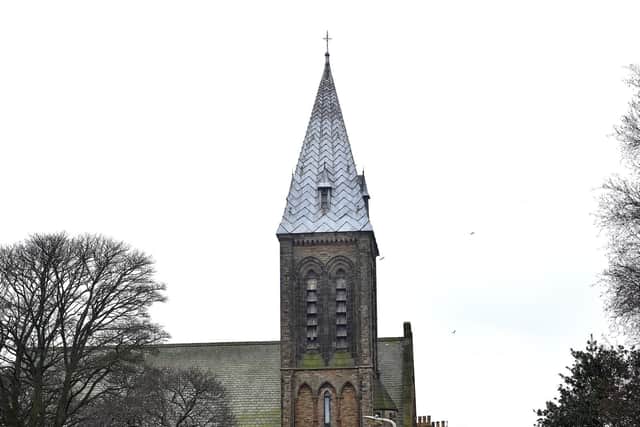
St Mary's Church stands high above the old town, just below Scarborough Castle.
The church was built in the 12th century. It was once a large church with two towers (west and central), but was largely destroyed during the siege of Scarborough Castle in the English Civil War. The church was rebuilt in the late 17th century and restored in the mid 19th century.
The church has a large graveyard, with tombs mainly of the 18th and 19th centuries. A much-visited grave is that of Anne Bronte, who died in Scarborough in 1849.
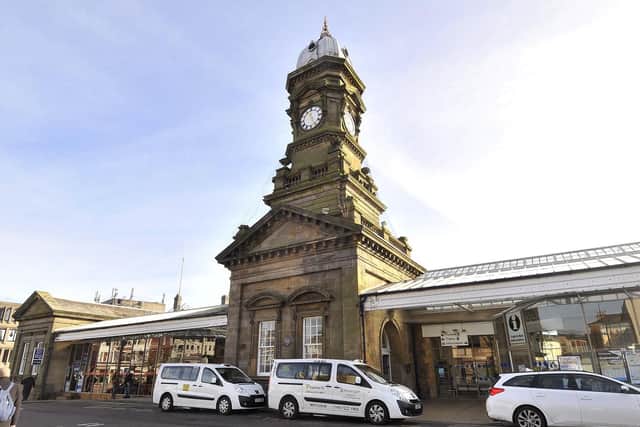
Scarborough Railway Station. Scarborough station opened on Monday July 7 1845, following the completion of the line from York.
The first train, consisting of 35 coaches was hauled by two locomotives named 'Hudson' and 'Lion' arriving in Scarborough at 1:35 p.m., having stopped at Castle Howard, Malton and Ganton, taking just over three hours. All the shops closed, and an estimated ten to fifteen thousand spectators saw the arrival of the first train.
The original station building was designed by GT Andrews. It had a wrought iron and glazed roof, 348 feet long by 88 feet wide in two spans, and 30 feet from the rails.
On the opening day, the station was complete, except for the overall roof and the goods shed in the station yard had not been built.
Scarborough Spa
In the 17th century, spa waters were discovered by Thomasin Farrer, the wife of one of Scarborough's leading citizens, John Farrer.
She found natural spring water bubbling out beneath the cliff to the south of the town. The waters, which stained the rocks a russet colour, tasted slightly bitter and were said to cure minor ailments. She told her friends and neighbours about the medicinal effects and drinking the spa waters became an accepted medicine.
Later, thousands of visitors flocked to benefit from their supposed medicinal qualities.
The southern part of Scarborough became popular. The precursor to the present Scarborough Spa complex became a fashionable attraction.
The complex now includes Farrer's Bar in recognition of Thomasin Farrer