
RNLI highlights cold water dangers for New Year dippers on the Yorkshire coast
The RNLI is urging anyone along the Yorkshire coast who is considering taking part in open water swims or New Year dips to be aware of the dangers.
Cold water shock is a very real danger for anyone entering water that is 15°C or below while swim failure and hypothermia can also pose a risk, especially at this time of year when the average sea temperature around the UK and Ireland is just 6 to10°C. Along the Yorkshire coast it has been a festive tradition to go for a dip in the chilly North Sea to bring in the New Year, however there are a number of precautions thrill-seekers need to take.
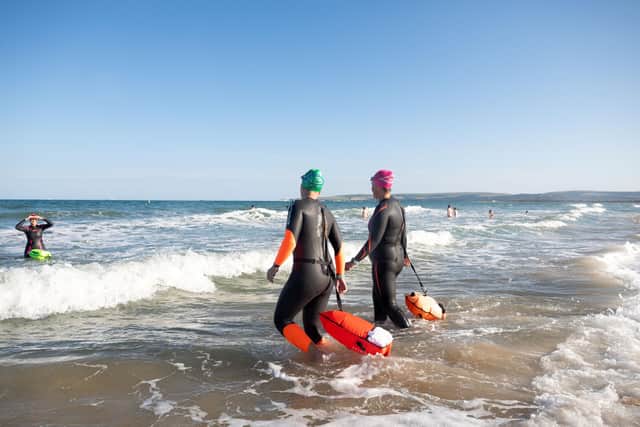

Gareth Morrison, Head of Water Safety for the RNLI said: “We know this time of year many people take part in festive and New Year dips or continue to take part in regular winter swims. So we are urging anyone entering the water to be aware of the dangers, check sea conditions carefully and to understand their own limitations.
“With the sea temperatures still dropping and reaching their coldest around March, the effects of cold water, combined with weather conditions and any personal health issues should be taken seriously before venturing in. If it’s your first time in open water, we’d recommend you speak to your GP first, particularly for those with cardiac or underlying health conditions.
“There are a number of precautions you can take to help ensure you have an enjoyable and safe time. Avoid swimming alone, consider going with others or joining a group so you can look out for each other. Think about the depth of water – wherever possible, stay in your depth. If you are going to attend a New Year dip, please ensure you go to a well organised event which has appropriate safety cover in place.
“Also taking the right kit is essential. We’d recommend wearing a wetsuit to keep you warm and increase your buoyancy, together with a bright swim cap and tow float to make yourself visible to others and use in an emergency.
“The most important thing to remember is if you are in any doubt, stay out of the water and if you or anyone else does get into trouble in or on the water please call 999 or 112 and ask for the Coastguard.
"Even the well prepared can find themselves in difficultly but having the correct knowledge and equipment can save lives. Taking a means of calling for help with you, such as a mobile phone in a waterproof pouch with a whistle, really could be a lifesaver.”
RNLI safety tips for taking a winter swim or dip:
- Be prepared – Check the weather forecast, including tide information and wave height. Take plenty of warm clothes for before and after your dip, along with a hot drink for when you come out of the water. Take a mobile phone in a waterproof pouch. Wearing a wetsuit will help increase your buoyancy and reduce the chances of suffering cold water shock
- Never swim alone – always go with a buddy, if possible, to a familiar spot and tell someone when you plan to be back
- Acclimatise slowly – never jump straight in as this can lead to cold water shock, walk in slowly and wait until your breathing is under control before swimming
- Be seen – wear a brightly coloured swim cap and consider using a tow float
- Stay in your depth - know your limits including how long to stay in the water and swim parallel to the shore
- Float to live - If you get into trouble lean back in the water, extending your arms and legs, and resisting the urge to thrash around to gain control of your breathing
- Call 999 or 112 and ask for the Coastguard - if you get into difficulty or see someone else in trouble call for help immediately
- If in doubt, stay out – there is always another day to go for a swim