
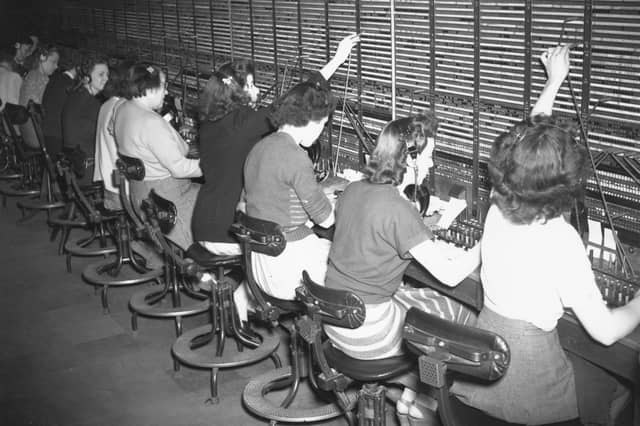


But these jobs have been largely lost to technology, and in some cases changing habits, long before AI threatened to take our livelihoods.
It might be hard for younger generations to believe these crucial roles were once performed by humans, before they became widely automated.
Some required great expertise, built up over the years, while more basic skills were needed for others, but all these workers made a vital contribution to society.
These roles were performed by humans as recently as the 60s, 70s, 80s, 90s and noughties.
In many cases, the professions have not died out completely, but the numbers employed in them have fallen dramatically, and those remaining do so largely in very specialist or ceremonial roles.
Did you, your parents or anyone you know use to have one of these jobs, or are you one of the few people left in the profession?
If you enjoyed this article, you might like this one looking at words and phrases that are at risk of dying out.
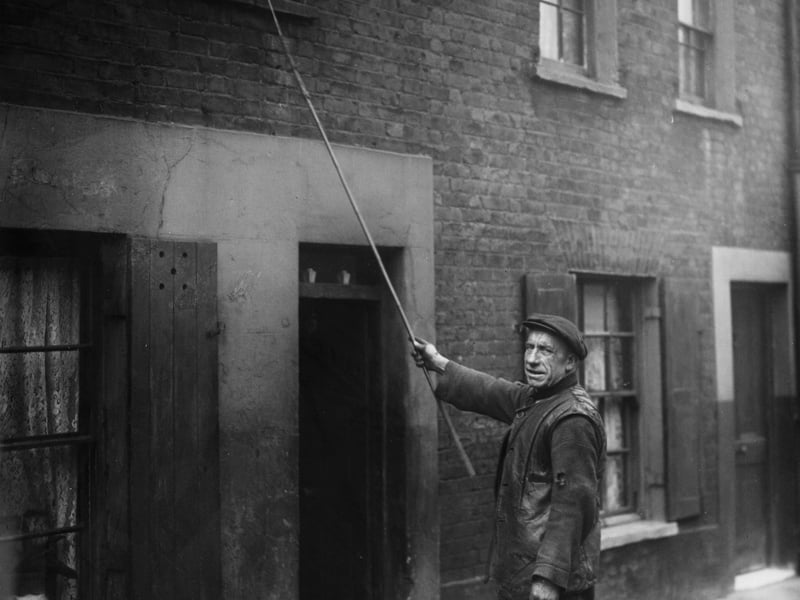
5. Knocker-uppers
Before the days of alarm clocks, if you wanted to ensure you made it to work on time you relied on a knocker-up, or knocker-upper. They were widely employed to wake up early morning workers, from doctors to dockers. Knocker-uppers typically used a long stick to tap on bedroom windows, though in some cases rattles and even pea shooters were employed. They remained a common sight in some parts of the UK right up until the 70s. | Getty Images Photo: J. Gaiger/Topical Press Agency
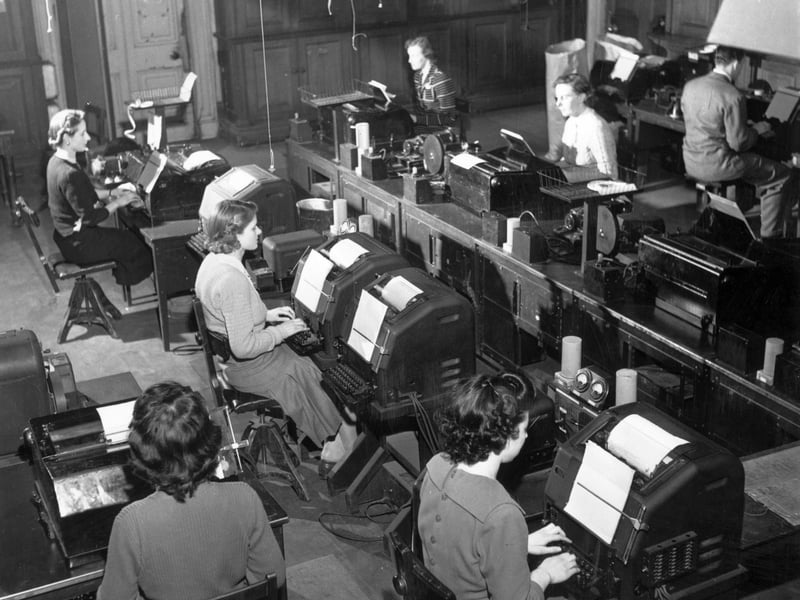
6. Telegraphists
If you wanted to get a message to someone quickly, sending a telegram was, for many years, the most reliable method. Telegram operators, or telegraphists, performed an essential role in keeping businesses connected, and they were vital too during wartime. Telegrams were replaced by e-mails and texting, and the world's last telegram was sent on July 14, 2013 - more than 169 years after the first. | Getty Images Photo: George Konig/Keystone
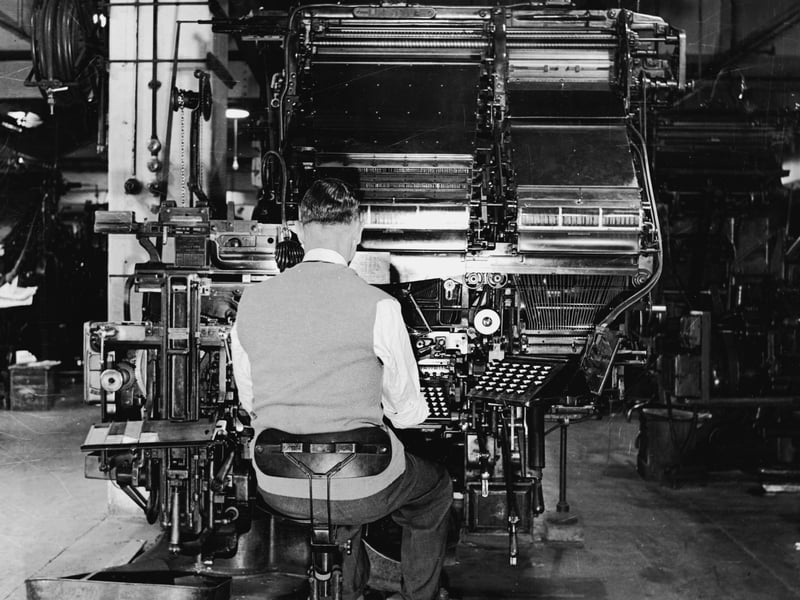
7. Linotype operators
The linotype machine was invented in the late 19th century, revolutionising the newspaper industry. Their distinctive clatter and hum, and the smell of hot metal, were for many years the sounds and scents of newsrooms across the world. By the 1970s, most newspapers had converted to phototypesetting or computerized typesetting, spelling the end for linotype machines and their operators. | Getty Images Photo: Express Newspapers
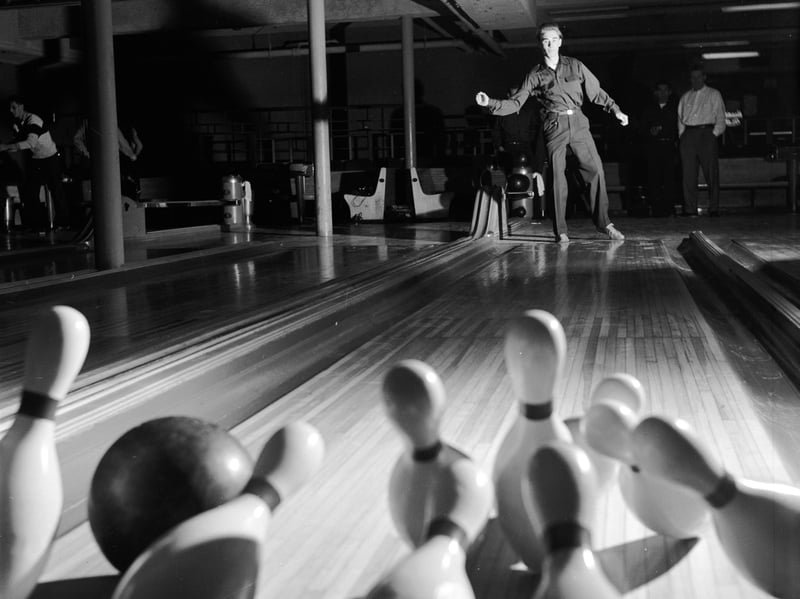
8. Pin boys
Human pinsetters, or pin boys, were employed at bowling alleys to reset pins and return balls to bowlers. The first mechanical pinsetter was invented in the 1930s, and by the 50s and 60s they had become commonplace. | Getty Images Photo: Orlando /Three Lions