
Review: Mini John Cooper Works Electric
What a long-time Mini lover thought of the modern John Cooper Works Electric.
A few weeks ago, I had the pleasure of driving the grandly titled Mini John Cooper Works Electric.
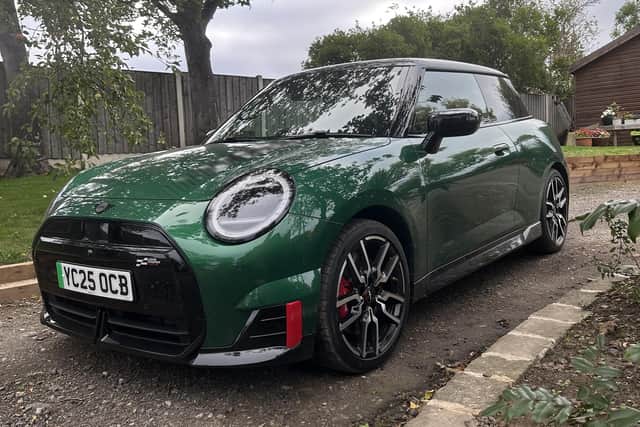

The more potent version of the Mini Electric is a lot of fun to drive, but not so much if you are a rear-seat passenger.
The suspension is overly harsh, and road humps and driving over rough roads may well elicit complaints from those behind you.
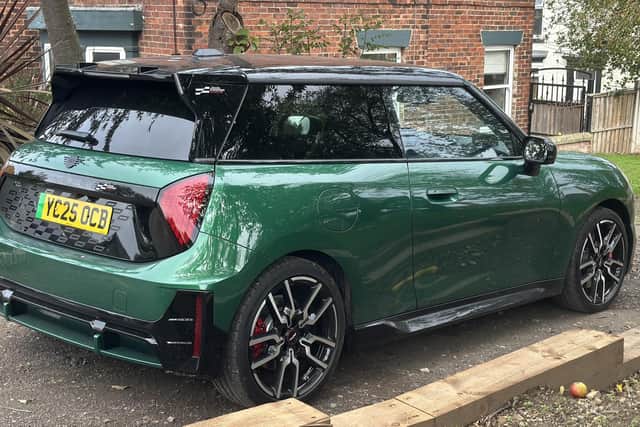
With all Minis, there’s not a lot of space for people and luggage, and anyone venturing into the rear seats will have to be limber and be of small stature unless they want to have their knees jammed into their chest.
But no one buys a Mini because they want to pack in people and luggage - it’s all about the image and how much fun it is to own and drive.
A good friend has a 50-year association with Minis. Her first was an 850 she bought in 1969, and in the intervening years, she owned, among others, an Austin Mini 1000, a Mini Cooper 1275 in Racing Green, and a Rover Mini Equinox, which had black fabric inserts on the seats printed with a moon and stars pattern.
I took the JCW Electric around to visit her and offered her a ride.
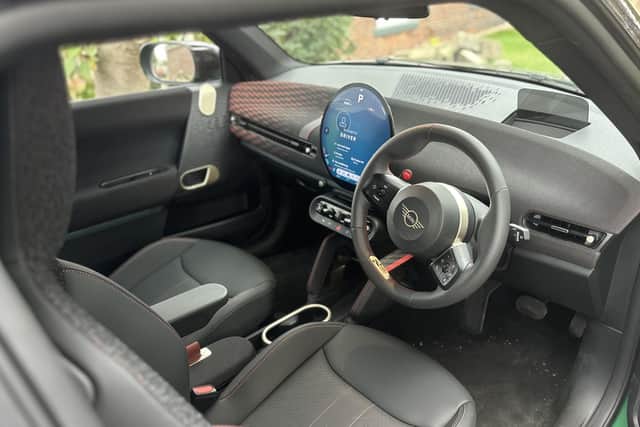
She was impressed by the electronic wizardry of the modern Mini and the amount of equipment on board. The large circular infotainment system, in particular, intrigued her.
Her first Mini didn’t even have a radio, and wing mirrors and seat belts were optional extras.
I gave her a ride in the back, but she found it quite claustrophobic - once she’d managed to crawl in.
She’s not a tall person, so she had difficulty seeing out of the windows. The front seat journey was more to her taste, and she proclaimed it very comfortable.
The Racing Green paintwork took her back to the Mini of her youth, and she became quite nostalgic, recalling all the fun they had together.
I liked the JCW Electric with its glossy black trim and massive rear spoiler, leaving you in no doubt that this is a Mini that means business. Indeed, it can sprint from 0-62mph in 5.9 seconds.
The electric range is about 250 miles, on a good day, but, as with all quoted ranges, it depends on how you drive and under what conditions, so you can expect a lot less in the real world.
The battery is quick to charge up, though: providing you plan your extended journeys with plenty of stops, it shouldn’t cause too much inconvenience.
Standard equipment includes all the usual plus heated steering wheel, JCW sports seats and a Harman/Kardon surround sound audio system. The Level 3 trim we had on test added, among many other bits of kit, heated front seats, panoramic sunroof, head-up display, navigation and high beam assist.
Margaret was amazed at the cost of the modern Mini. Her first car cost £640, while this was £38,420 with extra for optional equipment, making for a total of £42,770.
Mini John Cooper Works Electric
Price: £38,420 (£42,770 as tested)
Engine: 54.2 kWh battery
Power: 258bhp
Torque: 250lb/ft
Transmission: Single-speed electric
Top Speed: 124mph
0-62mph: 5.9 seconds
Range: 250 miles
CO2 emissions: 0g/km