
RSPB Bempton Cliffs marks 1,000th mammal Shorewatch
RSPB Bempton Cliffs has recorded its 1,000th marine mammal watch, just 16 months after becoming the first official Shorewatch location in England.
Shorewatch is a citizen science programme run by Whale and Dolphin Conservation (WDC), the leading global charity dedicated to the conservation of whales and dolphins.
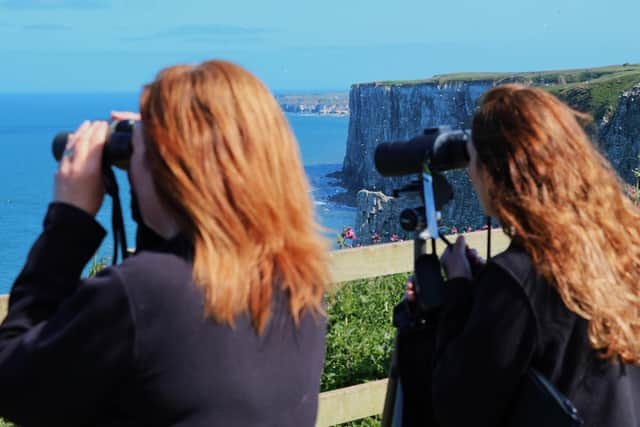

A new partnership between RSPB Bempton Cliffs and WDC was launched in March 2025 and has since seen a dedicated team of twenty trained volunteers carry out regular surveys from the reserve’s dramatic clifftop viewpoints.
While Bempton Cliffs is best known for its gannets, puffins, kittiwakes, guillemots and razorbills, the Shorewatch project focuses attention on the rich marine environment beyond the cliffs and the species that depend upon healthy seas.
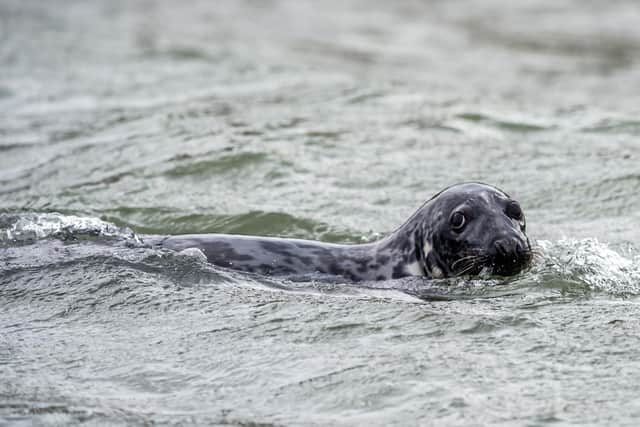
Since launching volunteers have completed an impressive 1,000 ten-minute ‘watches’, and recorded a total of 505 marine mammal ‘sightings’ comprising 2,384 individuals (one ‘sighting’ might include more than one individual, for example a pod of 12 dolphins). In total there were 2,221 adult mammals seen and 163 young.
Species recorded included (totals may include repeat observations of certain individuals over the year):
• bottlenose dolphin – 1,896 individuals observed • harbour porpoise – 341 individuals observed • minke whales – 50 individuals observed • grey seals – 96 individuals observed • humpback whale – 1 individual observed
Susanna O’Neill, RSPB Senior Administrator and a Shorewatch volunteer, brought the idea of making Bempton a Shorewatch location back with her after completing an RSPB sabbatical spent in Shetland where she worked with the WDC team and took part in watches herself.
Susanna said: “Reaching 1,000 watches is an incredible achievement and a testament to the dedication of our volunteers. The number of bottle nosed dolphins we’ve seen has been staggering. It has been somewhat of a surprise but just goes to show what more eyes on the sea can reveal!”
“This project has introduced thousands of visitors to the marine wildlife on East Yorkshire’s coast and to see how close the dolphins come to the cliffs has been amazing. By collecting long-term data on the mammals using these waters, we can better understand how environmental changes are affecting them and ensure conservation decisions are based on robust evidence.”
Alice Walters, WDC Shorewatch data coordinator, added: “The high cliffs at Bempton give excellent visibility, and the dedication of the volunteer team has been incredible. Reaching 1,000 watches highlights the importance of citizen science in gathering vital evidence to understand how cetaceans use our coastline and how best to protect them. Together, we’re not only collecting valuable data but inspiring people to care about marine life on their doorstep and the need for healthy, resilient seas.”