
Fylingdales wildfire – 14 months on
Fourteen months on from the wildfires which devastated Langdale Forest and Fylingdales Moor, we reflect on how the moorland is recovering.
Fourteen months ago, peat continued to smoulder under a wild campers’ fire not properly extinguished in Langdale forest.

Wind bellowed into those embers and flames erupted.
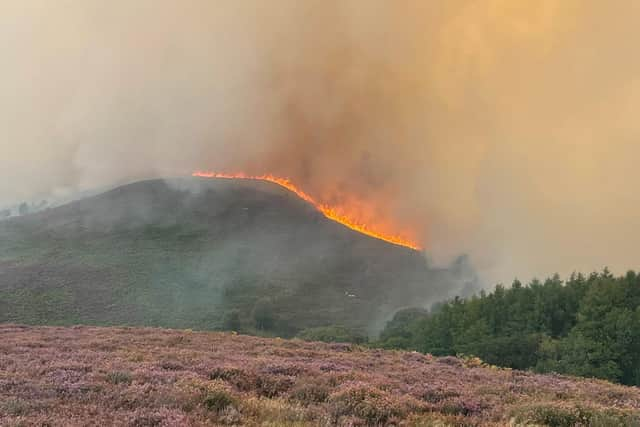
The flames jump onto Fylingdales Moor and on Monday, August 18, 2025, the embers reignited and in hours, the total burnt on Fylingdales Moor became 4,000 acres – 20 square kilometres of conservation moorland.
Even from the high moor it’s such a vast area you couldn’t see to the edge of the bare area.
Depending on the intensity, a few moorland plants can survive fire.
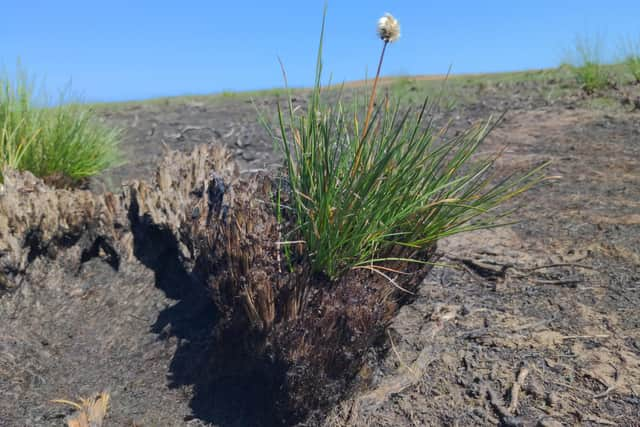
Within weeks common cotton-grass began regrowing from its roots in wetter areas slightly protected from the heat.
Where the fire burnt deep into the peat, we are waiting to see if heather seed in the ground has survived to germinate.
If it does it will take years to reach knee height (seed will also be spread this winter thanks to an ambitious project initiated by the North York Moors National Park).
One woodland, Crow Wood, where a few precious juniper grew, the Scots Pine needles burnt hot. The junipers were frazzled.
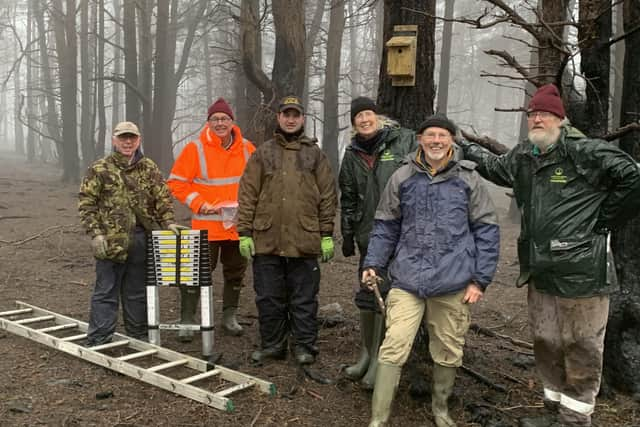
But on a freezing day in February 2026, our Hoots volunteers put up nestboxes made by Baythorpe Shed, on surviving pines – something to help when the willow tits and warblers return.
Eight months on and the hare’s tail cotton grass tussocks and waxy heath rush stood vibrant in the otherwise reduced vegetation, survivors of fire.
Five miles of new fencing goes up, funded mainly by the National Park-administered Farming in Protected Landscape (FiPL).
It will take much longer until the sheep have enough grazing.
For now, about 500 mainly Swaledales have been turned back out; as vegetation grows, more will follow.
Since the young haven’t had time on the moor to become hefted they are being fitted with collar tags.
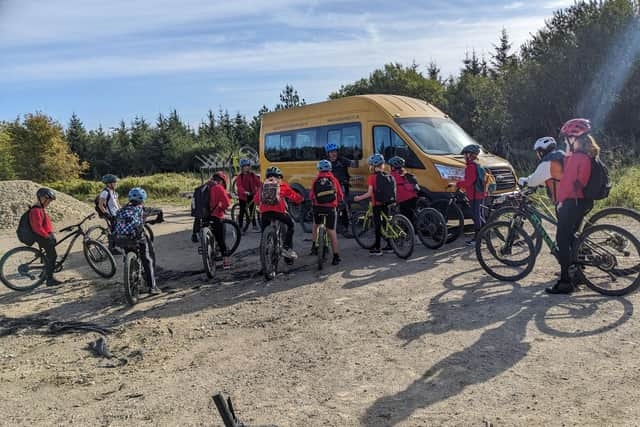
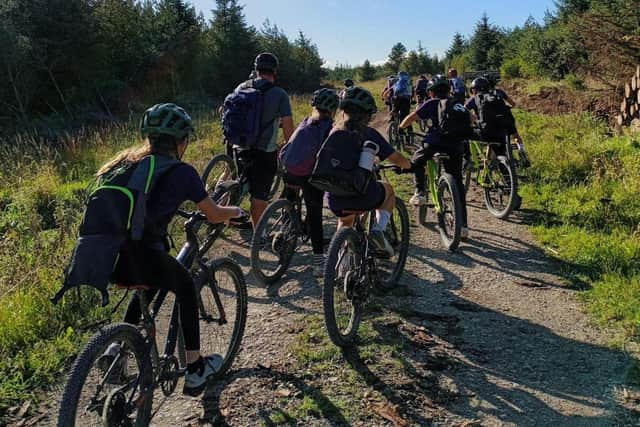
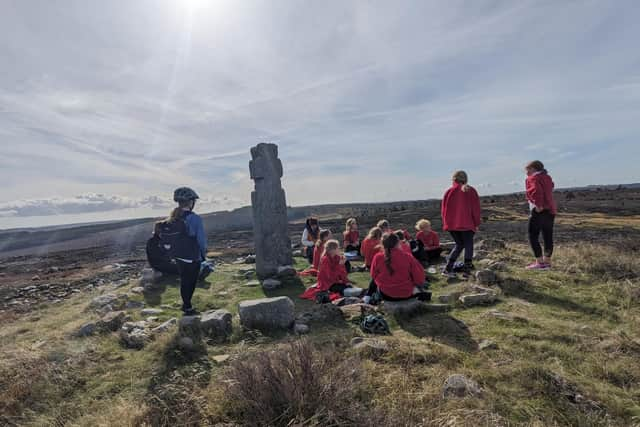
Thirteen months on and FiPL awards our stewardship scheme money to work with the activity centre at East Barnby, to bring school groups on mountain bikes, up to the area where the fire started.
Supporting the campaign Don’t Spark Disaster, students reflect on what caused the fire and its impact.
Most importantly they want to be on the moor. They see value in its wild open vistas.
Some are unsure at the start, on unfamiliar bikes and terrain, but encouraged by instructors Ollie and Paul, by the end ride in with emboldened confidence.
Visits are made possible by the people of Fylingdales Moor who, after the fire, continued to turn up when emotions ran high, worse when emotions were numbed – Shepherd Phil, Rangers Derek and Ian, Court Leet Bailiff Lol, Graziers Crabtree and Dixon families and Elizabeth, Court Leet Mark, Charlie and Andrew.
We owe the firefighters, especially Robin Hood’s Bay and Goathland crews.
We thank the keepers who helped fight the fire, neighbours Grouse Hill campsite and the farmers who united to find water.
Luckily the Strickland Estate values conservation on a sheep grazed moor.
Whitby Naturalists are planning an afternoon of talks about the Wildfire and Restoration of Fylingdales Moor, late January 2027.
See www.whitbynaturalists.co.uk for more.