
Rejected padel courts near Scarborough don’t belong in the countryside, planners say
Plans to build two padel tennis courts at the North Yorkshire Water Park near Scarborough have been rejected after planners concluded the sport did not require a countryside location and would encourage car-dependent travel.
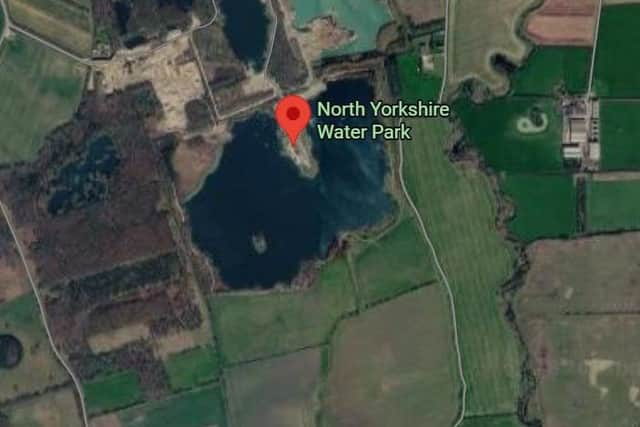
The proposal by Padel X would have seen two floodlit outdoor padel courts constructed at the popular leisure attraction at Wykeham Lakes, alongside its existing watersports facilities.

The application attracted no objections from local residents and was supported by Hutton Buscel Parish Council, while highways officers, environmental health specialists, ecologists, the Environment Agency and the Vale of Pickering Internal Drainage Board all raised no objections.
However, planning officers concluded the development conflicted with countryside and sustainability policies and suggested that “like many tennis clubs, it could be accommodated within built-up areas”.
A council report stated: “The size of the padel courts and nature of the activity does not demand a location within the open countryside.”
Officers said the applicant had failed to provide “substantive evidence” to demonstrate there was a need for the facility in that particular location or that demand could not be met elsewhere.
The report notes that planning permission has already been granted for courts in Cayton, Scalby and Eastfield, adding that these represented “more sustainable locations”.
While the North Yorkshire Water Park was originally developed around activities that require a lakeside setting, officers said the same argument could not be made for padel tennis.
The report stated that the proposed additional facilities “cannot be regarded as essential” and concluded there was “no identified need” for them in the countryside.
Planners noted that although bus services exist in nearby villages, the site is around 1.5 kilometres from both West Ayton and Wykeham and is primarily reached by car.
The report states that “realistically most trips would be made by private motor vehicle” and concludes that the development would not offer “a sufficient choice of travel by modes other than by the private motor vehicle”.
The council also concluded that the courts would have an adverse impact on the rural character of the area.
The scheme included two courts surrounded by glass and mesh enclosures up to four metres high, together with eight six-metre-high floodlighting columns.
According to the report, the courts would appear “visually incongruous” in the lakeside setting and would result in “a harmful cumulative impact on the rural character of the area”.
Despite those concerns, officers accepted that the scheme would deliver significant public benefits and the report highlighted the health and wellbeing advantages of sports participation.
However, planners concluded that those benefits were outweighed by the site’s poor accessibility, conflict with countryside policies, and harm to landscape character.
In rejecting the plan, officers said the proposal would not constitute the “sustainable development” required by planning policy and that the benefits were insufficient to outweigh the conflict with the development plan.