
'We have been left to cope alone' says Yorkshire coast mum who quit work to care for son
Residents are being forced to quit work because of caring responsibilities and a lack of support, a North Yorkshire MP has warned.
A mother living on the coast recently had to leave her job to care for her eight-year-old autistic son because his needs could not be met through existing educational provision.

Steve and Sindy, who also live in the Scarborough and Whitby area and care for their 26-year-old son who has severe learning difficulties, recently brought their child back to the family home due to safety concerns.
When exploring other services, they encountered a shortage of suitable supported living placements in Scarborough.

These are just a few of the many thousands of families across the country whose commitment to their children comes at a high financial cost, Alison Hume MP has highlighted.
Ms Hume, who represents Scarborough and Whitby, has said too many unpaid carers are being forced to give up work, sacrifice their own health, and battle overstretched services while looking after relatives.
“Every day around 1,500 people are forced to leave the workforce because of caring responsibilities,” she said.
“Like many mothers, I did not think of myself as an unpaid carer at first, because when you are a parent of a disabled child, you just assume that caring is part of the package.
"Yet too often that commitment comes at significant financial cost.
“For many people, caring is a full-time job and the hours required make it impossible to stay in paid employment, forcing families into impossible choices.
"I myself changed careers to accommodate my son’s needs, but I was one of the lucky ones.
“Over the last two years, more than a million people have left the workforce because of caring responsibilities.”
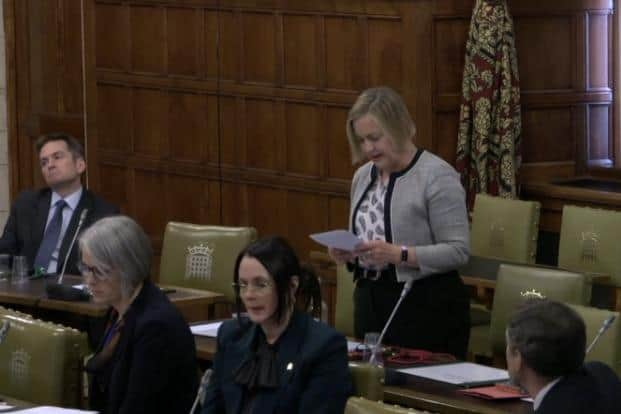
Speaking in Parliament last week, the MP praised the work of Carers Plus Yorkshire, which was recently visited by Princess Anne, and urged ministers to provide greater financial support for unpaid carers as part of wider social care reforms.
The constituent who had to leave her job to care for her eight-year-old autistic son said: “We are under immense emotional, financial and practical pressure, yet we feel we have been left to cope alone.”
Responding for the Government, health minister James Frith described unpaid carers as the people “holding everything together” and acknowledged that many were at breaking point.
He said caring was often “unending love”, but added that the burden placed on families was very real.
“The need for respite is very real,” the minister said.
“It is unending love, and that love is real, but so is the toil and the demand on unpaid carers.”
Mr Frith said the Government would appoint a national unpaid carers champion, expand support through a cross-government carers action plan and introduce a new section within the NHS app designed to help carers access information and support.
He also pointed to increases in the carers allowance earnings limit, and promised further work on employment rights for carers.
However, the minister accepted that access to respite care remained a “postcode lottery” in many parts of the country.
He told MPs: “Carers should be recognised as partners in care.”
Mr Frith said the Government’s longer-term ambition was to create a national care service, adding that unpaid carers “enable millions of people to live with dignity, independence, love and connection” and that their contribution “must not be taken for granted”.