
Mayor says North Yorkshire better prepared for next major wildfire
North Yorkshire would be in a much stronger position to tackle another major wildfire following lessons learned from the devastating Fylingdales blaze last year, Mayor David Skaith has said.
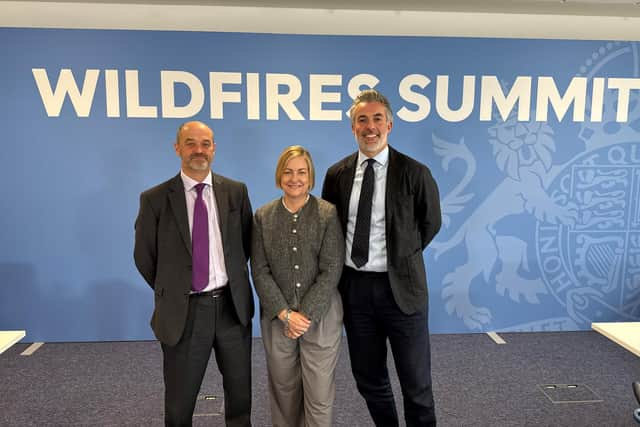
Speaking at the National Wildfire Summit in Liverpool, the Mayor of York and North Yorkshire welcomed a series of new Government measures aimed at improving the country’s response to major fires.
The announcement included plans for RAF Chinook helicopters and A400M aircraft to be equipped with specialist firefighting equipment, up to £45million for wildfire response measures and £25million for peatland restoration.
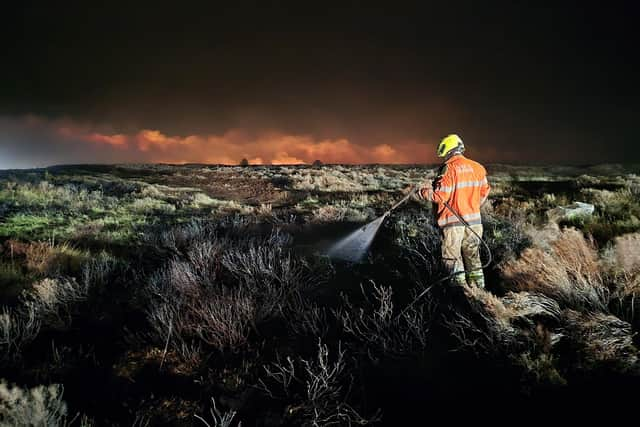
The summit comes as restoration work is underway at Fylingdales and Langdale Moor following one of the largest wildfires ever recorded in the UK.

Mr Skaith said specialist equipment was one of the biggest lessons to emerge from the fire.
“What we saw particularly last year is having that specialist equipment to not only be able to deal with the very challenging terrain that we have in North Yorkshire but also the much more lightweight and specialist equipment that can actually deal with the fire,” he told the Local Democracy Reporting Service.
The mayor agreed that major fires in North Yorkshire had not always received the attention they deserved nationally.
Asked whether concerns raised by Scarborough and Whitby MP Alison Hume that wildfires did not receive proper attention until they impacted the South were justified, he said: “It was frustrating at times.
“I would agree with Alison Hume on that.
“But we can clearly see now a change in direction with the prime minister, who’s taken this incredibly seriously and understands that this unfortunately isn’t going to be the last wildfires we see.”
Mr Skaith said authorities were now better prepared should another major wildfire strike.
“If there was another wildfire like Fylingdales tomorrow, we’d be in a much better place to deal with fires on that scale again,” he said.
The mayor said stronger relationships had been developed between emergency services, landowners and farmers following last year’s fire.
He also highlighted the role of peatland restoration and water management in reducing future wildfire risks.
“A lot of the conversation today was about how we better manage our land in terms of rewilding, wetting of peat bogs and holding more water in our land,” he said.
“Farmers and landowners will play a key role in that going forward as well.”
Following the wildfire, the York and North Yorkshire Combined Authority committed almost £300,000 towards recovery and restoration work, enabling the North York Moors National Park Authority to begin repairing damaged peatland habitats.
However, the Government has been criticised for not providing compensation for local businesses, farmers and landowners impacted by last year’s wildfire.
Ms Hume previously said that farms and businesses hit by such fires should receive support similar to that provided for flooding and is hoping to propose legislation on the issue.
She added that a proper scheme had to be in place for “the next time, and there unfortunately will be a next time when there’s a wildfire”.